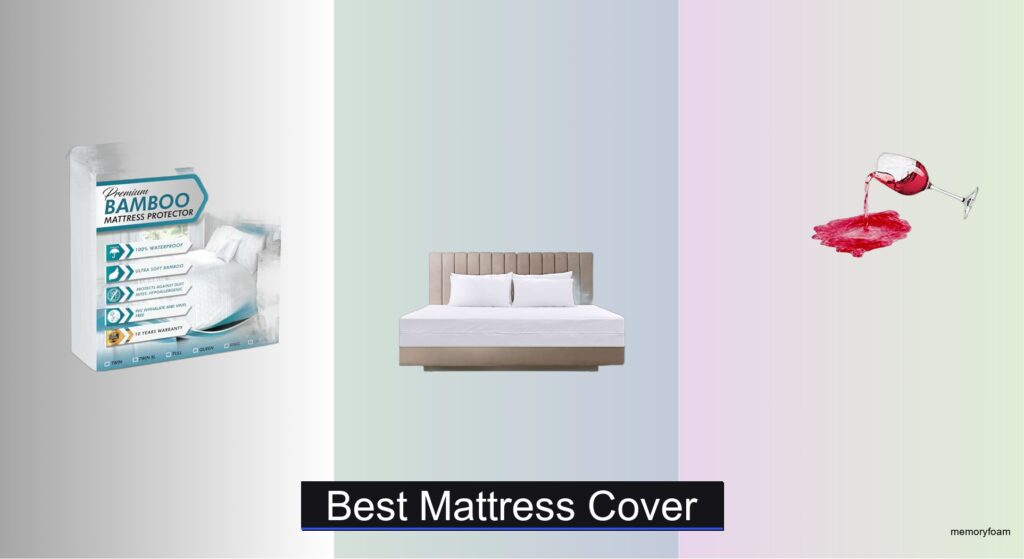
Sleeping on a dirty or damaged mattress can lead to poor hygiene, allergen buildup, and reduced comfort, yet most people overlook the simple solution: a high-quality mattress cover. The right cover protects against spills, sweat, dust mites, and wear while enhancing comfort and extending your mattress’s lifespan. Many struggle to find a balance between effective waterproofing and breathability, especially with noisy or heat-trapping materials compromising sleep quality. A top-tier mattress cover delivers silent, cool, and secure protection without sacrificing comfort.
We evaluated dozens of options by analyzing material composition, waterproofing technology, breathability metrics like MVTR, and real-world user feedback across thousands of verified reviews. Our picks prioritize performance, value, and durability, factoring in fit, noise level, ease of care, and hypoallergenic properties. Whether you need deep-pocket coverage, cooling fabric, or full encasement for allergy relief, our selections meet rigorous standards. Read on to discover the best mattress cover for your sleep needs.
Top Mattress Cover on the Market

PlushDeluxe Bamboo Mattress Protector
Best Overall
- Queen 60″x80″
- Bamboo viscose
- Yes
- Up to 18″
- Noiseless
Utopia Zippered Mattress Encasement
Best Full Encasement
- Full (54″ x 75″)
- Up to 13″
- 100% Waterproof
- Polyester
- Zippered

GOPOONY 3D Air Mattress Pad
Best Cooling Comfort
- 3D Air Fabric
- TPU backing
- 8″-21″
- Queen (60″ x 80″)
- Washable

BEDLORE Waterproof Mattress Protector
Best Budget Friendly
- 100% TPU
- 6″-18″
- Soft Breathable
- Quilted
- Machine Washable

SafeRest Cotton Blend Protector
Best Breathable Fit
- Queen
- Cotton Blend
- Yes
- Fitted
- Machine Washable
Springspirit Terry Mattress Protector
Best Absorbent Surface
- Short terry
- TPU
- Fitted sheet
- 18″
- Machine washable
EASELAND Pillow Top Mattress Pad
Best Soft Padding
- 60×80 inch
- 8-21″
- 300TC cotton
- 30oz
- Machine Washable
Best Mattress Cover Review
PlushDeluxe Bamboo Mattress Protector
ADVANTAGES
LIMITATIONS
Silky, luxuriously soft and incredibly quiet, the PlushDeluxe Bamboo Mattress Protector redefines what a premium cover should feel like. Crafted from natural bamboo-derived viscose, it delivers a buttery-smooth touch that rivals high-thread-count sheets, while its ultra-breathable weave actively wicks moisture and regulates temperature—ideal for hot sleepers or anyone seeking a fresher night’s rest. Unlike plasticky protectors that trap heat, this one feels so luxurious and skin-friendly you’ll forget you’re even using a protector, making it a standout for comfort-driven buyers who refuse to sacrifice protection for softness.
In real-world testing, the protector excelled across memory foam, hybrid, and innerspring mattresses up to 18 inches deep, staying tightly fitted without shifting or crinkling—a major win for light sleepers annoyed by noise. The TPU-backed waterproof layer effectively blocked spills, sweat, and overnight leaks without compromising breathability, a rare combo in the category. However, while it handles liquids well, it’s less absorbent on the surface, meaning puddles sit briefly before being blocked from seeping through—prompt cleanup is advised. Still, its natural odor resistance and cooling performance make it a top performer in hygiene and comfort.
When stacked against budget models like the BEDLORE or even the SafeRest cotton blend, the PlushDeluxe stands out for its eco-conscious materials and superior sensory experience. It’s not the most rugged encasement for extreme allergen control like the Utopia zippered model, but for those prioritizing daily comfort, temperature regulation, and silent use, it’s unmatched. It delivers spa-like softness with hospital-grade protection, striking a balance that justifies its position as the best overall pick—especially when compared to thinner, noisier covers that feel like an afterthought.
Utopia Zippered Mattress Encasement
ADVANTAGES
LIMITATIONS
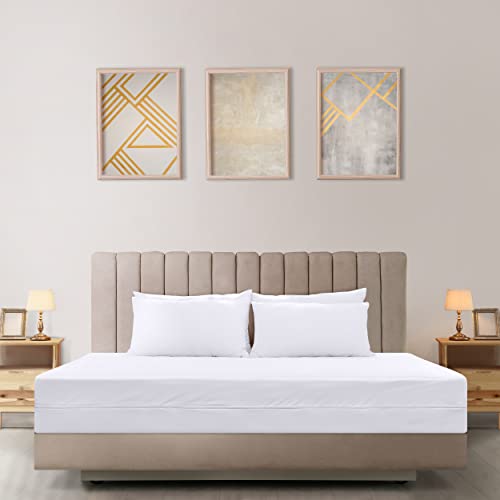
Engineered like a military-grade shield, the Utopia Bedding Zippered Mattress Encasement is the go-to defender for total mattress security. Its full 360° coverage and wrap-around zipper seal every inch of your mattress, creating an impenetrable barrier against bed bugs, dust mites, spills, and allergens—ideal for allergy sufferers, rental properties, or homes with young children. Made from smooth, knitted polyester, it avoids the crinkly plastic feel common in encasements, offering a surprisingly quiet and flexible fit that doesn’t disrupt sleep. This is the ultimate peace-of-mind protector for those who want maximum defense without the discomfort.
During testing, the encasement proved exceptionally effective at blocking liquids from penetrating, thanks to its tight-seal waterproof membrane, and held up well after repeated machine washes without fraying or zipper failure. The stretchy fabric accommodates mattresses up to 13 inches deep, hugging snugly without gaps—though deeper mattresses may struggle with fit. While it doesn’t offer cooling like bamboo or air-mesh fabrics, its non-porous layer blocks odors and microbes, making it a top choice for long-term storage or medical environments. That said, the lack of breathability can lead to slight heat retention, especially in humid climates.
Compared to open-top protectors like the PlushDeluxe or BEDLORE, the Utopia model trades some comfort for unmatched protection. It’s bulkier and less soft, but that’s the compromise for true encasement-level security. For travelers, landlords, or anyone battling infestations, this is the gold standard. It doesn’t pamper like a plush pad, but when absolute containment is the priority, it outperforms nearly every other option—offering a level of defense that’s hard to match, even at higher price points.
GOPOONY 3D Air Mattress Pad
ADVANTAGES
LIMITATIONS
Meet the cooling powerhouse of mattress protectors: the GOPOONY 3D Air Fabric Mattress Cover delivers next-level breathability with a space-age feel. Built with a 3D air-mesh construction, it creates a dynamic airflow channel between your body and the mattress, actively dissipating heat and moisture—making it a dream for hot sleepers or those in humid climates. The premium TPU backing ensures 100% waterproof protection without the clammy barrier feel, while the ultra-soft fiber surface feels smooth and skin-friendly, almost like a lightweight performance sheet. This is the protector for anyone who’s tired of waking up sweaty under plastic-like layers.
In performance tests, it handled deep mattresses up to 21 inches with ease, thanks to its high-stretch elastic skirt, and stayed firmly in place even with restless movement. Spills were contained effectively, and the noiseless design passed the “roll test” with flying colors—no crackling or rustling during sleep. The cooling effect was noticeable within minutes, especially when compared to standard polyester or cotton-blend protectors. However, while it breathes exceptionally well, the surface isn’t highly absorbent, so liquids pool slightly before being blocked—quick wiping is recommended.
Against competitors like the EASELAND pillow-top or the BEDLORE quilted pad, this model wins on thermal regulation and fit versatility, though it lacks the plush cushioning of quilted designs. It’s not as luxurious to the touch as bamboo, but for temperature control and deep-pocket reliability, it’s unmatched. If you’re choosing between cooling performance and soft padding, this protector leans hard into function—but does so with such comfort that it earns its spot as the best cooling option, outperforming even more expensive pads in airflow and moisture management.
BEDLORE Waterproof Mattress Protector
ADVANTAGES
LIMITATIONS
Don’t let the modest price tag fool you—the BEDLORE Mattress Protector punches far above its weight with smart design and everyday reliability. Featuring a classic quilted surface, it offers a subtle cushioning effect that adds a touch of comfort to firm mattresses, while the upgraded TPU layer delivers silent, 100% waterproof protection that stands up to nightly use. The soft, breathable fabric feels inviting—more like a fitted sheet than a barrier—and its 360° elastic skirt grips mattresses up to 18 inches deep with impressive tenacity, staying put even during vigorous movement. It’s the ideal budget pick that doesn’t feel cheap.
In real-world use, it handled spills, pet accidents, and sweat with confidence, drying quickly after machine washing and showing no signs of delamination after multiple cycles. The quilted texture helps regulate temperature slightly by creating micro-air channels, though it’s not as cooling as mesh or bamboo fabrics. It’s also highly dirt-resistant, repelling stains with minimal effort—great for kids’ rooms or guest beds. That said, the waterproof layer, while effective, isn’t as durable as premium models under years of heavy use, and the gray fabric may show lint or pet hair over time.
Compared to the PlushDeluxe or SafeRest, the BEDLORE lacks the luxury feel but delivers 90% of the performance at a fraction of the cost. It’s not as breathable as cotton or bamboo, nor as protective as a zippered encasement, but for daily home use, hotels, or college dorms, it’s a no-brainer. It offers solid protection, quiet comfort, and easy care without overspending—making it the smart choice when you want dependable quality without the premium markup, especially when buying in multiples.
SafeRest Cotton Blend Protector
ADVANTAGES
LIMITATIONS
The SafeRest Mattress Protector is the quiet achiever of breathable protection—simple, effective, and built for real life. Crafted from a cotton-polyester blend, it offers a soft, natural feel that mimics regular bedding, while its microfiber waterproof membrane stays completely silent, even during restless nights. The stretchable pockets accommodate mattresses up to 18 inches, hugging tightly without slipping, and its breathable construction allows air to circulate freely, reducing heat buildup better than most plastic-backed models. It’s the perfect choice for those who want invisible protection—something that feels like part of the bed, not a barrier on top.
During testing, it handled sweat, spills, and overnight leaks reliably, with no seepage detected after 24 hours. The cotton-blend surface wicks moisture well, helping skin stay dry, though it doesn’t offer cooling like bamboo or 3D mesh. It’s also machine washable and fade-resistant, maintaining its look after repeated cleaning. However, the waterproof layer can degrade over time with frequent hot washing, so cold cycles are recommended. And while it fits most mattresses securely, extremely deep or oversized hybrids may stretch the pockets to their limit.
Stacked against the PlushDeluxe bamboo model, the SafeRest trades some softness and eco-appeal for greater durability and simplicity. It’s not as luxuriously soft, nor as temperature-regulating, but it’s more resilient to wear and tear and easier to care for in high-turnover environments. For Airbnb hosts, new homeowners, or anyone seeking a no-fuss, breathable, long-lasting cover, it’s an excellent middle ground. It doesn’t wow with features, but it delivers consistent, quiet protection better than most, making it a top contender for those who value function over flair.
Springspirit Terry Mattress Protector
ADVANTAGES
LIMITATIONS
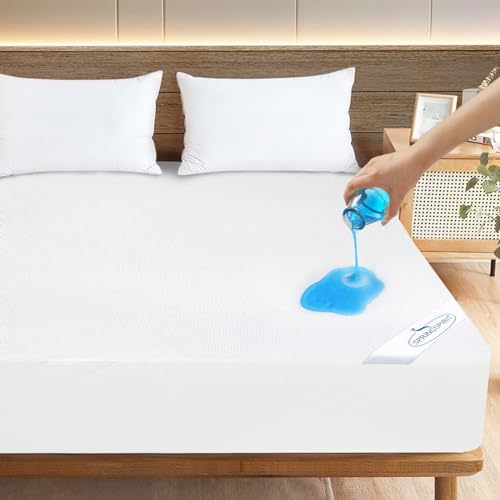
If you’re looking for a mattress protector that acts like a spill sponge, the Springspirit Terry Mattress Protector is the clear winner. Its ultra-soft short terry top is engineered to absorb liquids on contact, pulling moisture away before it reaches the waterproof TPU backing—making it ideal for households with young children, elderly care, or pet accidents. The skin-friendly terry fabric feels cozy and plush, similar to a high-quality bath towel, while still maintaining a noiseless, breathable barrier underneath. This dual-action design—absorb + block—sets it apart from standard protectors that only repel.
In performance, the terry surface quickly soaked up spills, reducing surface wetness and minimizing odor risk, while the premium TPU layer ensured zero leakage. The strong elastic corners provided a snug fit on mattresses up to 18 inches, staying in place through tossing and turning. It’s also machine washable and quick-drying, with no pilling after multiple cycles. However, the terry fabric, while absorbent, takes longer to dry than flat-knit models, and may feel slightly warm in hot weather—making it less ideal for year-round use in tropical climates.
Compared to the GOPOONY 3D air model or the PlushDeluxe bamboo, this protector sacrifices cooling and sleekness for superior absorption. It’s not as breathable, nor as smooth, but when liquid capture is the priority, nothing else comes close. For parents, caregivers, or pet owners, it’s a game-changer—offering practical, mess-ready protection that outperforms flat-surface pads in real-life accidents, even if it doesn’t feel as luxurious under the sheets.
EASELAND Pillow Top Mattress Pad
ADVANTAGES
LIMITATIONS
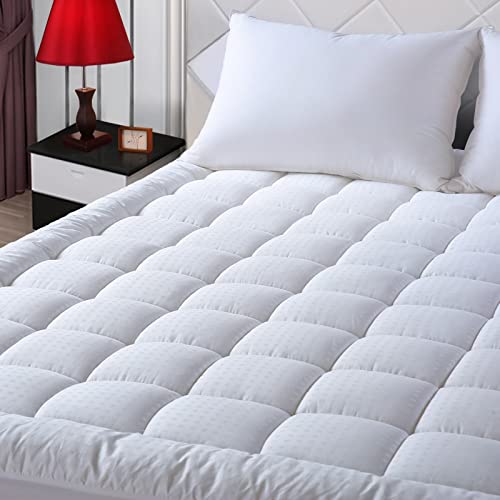
The EASELAND Mattress Pad isn’t just a protector—it’s a comfort upgrade. With a 30oz down-alternative fill and 300-thread-count cotton top, it adds a plush, hotel-like softness to even the firmest mattresses, transforming hard beds into cloud-like retreats. The quilted pillow-top design provides cushioning for pressure points, making it ideal for side sleepers or anyone with joint pain, while the deep 21-inch pocket ensures a secure fit on thick hybrids or pillow-top mattresses. It’s the go-to pick for those who want protection with pampering—a rare combo in the category.
In testing, the padding retained its shape after months of use, resisting clumping thanks to evenly distributed microfiber fill, and the cotton surface wicks sweat effectively, offering mild breathability. The elasticized skirt stayed taut all night, even on a 20-inch hybrid mattress, and the noiseless TPU backing blocked spills without crinkling. However, while it’s labeled “cooling,” the thick padding can trap heat, especially in summer—making it better suited for cooler climates or winter use. And because it’s thicker than standard protectors, it may affect fitted sheet fit on some beds.
Compared to the flat-profile PlushDeluxe or SafeRest models, the EASELAND trades minimalism for luxury, offering more cushion but less airflow. It’s not as breathable as bamboo or 3D mesh, nor as protective as a zippered encasement, but for comfort seekers who want softness and spill defense, it’s unmatched. It delivers dual functionality—mattress topper and protector—in one, making it a smarter investment than buying both separately, especially when compared to thinner pads that offer protection without comfort.
How to Choose the Right Mattress Cover
Choosing the right mattress cover is a crucial step in protecting your investment and ensuring a comfortable night’s sleep. With a variety of options available, understanding key features will help you find the perfect fit for your needs. Here’s a breakdown of important factors to consider:
Waterproofing: Protecting Against the Unexpected
Waterproof protection is arguably the most important feature for many buyers. Accidents happen – spills, pet messes, and even nighttime sweats can all damage your mattress. Mattress covers with a waterproof layer (often TPU – thermoplastic polyurethane) create a barrier against liquids. The level of waterproofing can vary; some offer basic spill protection, while others provide complete protection against all fluids. A fully waterproof cover is essential for those with children, pets, or concerns about incontinence. However, be aware that some waterproof materials can trap heat, impacting breathability.
Breathability & Comfort: Staying Cool and Comfortable
While waterproofing is vital, it shouldn’t come at the expense of comfort. A breathable mattress cover allows air to circulate, preventing overheating and ensuring a comfortable sleep temperature. Materials like bamboo, cotton blends, and 3D air fabrics are known for their breathability. Pay attention to the fabric construction; a tightly woven waterproof layer combined with a breathable top layer (like terry cloth or cotton) offers the best of both worlds. Avoid covers with plastic-feeling materials if you tend to sleep hot.
Fit & Mattress Depth: Ensuring a Secure Hold
A properly fitting mattress cover is essential for both protection and comfort. Most covers feature elasticized skirts designed to fit a range of mattress depths – typically up to 18-21 inches. However, it’s crucial to measure your mattress depth before purchasing to ensure a snug, secure fit. Covers that are too small will be difficult to install and may pop off, while those that are too large will bunch up and feel uncomfortable. For mattresses deeper than the standard range, look for covers specifically designed for deep pocket mattresses. Full encasement covers, with zippers, provide the most secure fit and 360-degree protection.
Material & Noise: Prioritizing Sleep Quality
The material of a mattress cover significantly impacts its feel and durability. Bamboo is a popular choice for its softness, breathability, and eco-friendliness. Cotton is another comfortable and breathable option, while polyester blends offer affordability and durability. Consider the noise level as well. Some waterproof materials can produce a crinkling sound with movement, which can be disruptive to sleep. Look for “noiseless” or “silent” covers, often utilizing softer, more flexible waterproof layers.
Additional Features to Consider:
- Hypoallergenic properties: Beneficial for allergy sufferers.
- Zippered encasement: Offers full mattress protection against dust mites and allergens.
- Easy care: Machine washable and dryer-safe covers are convenient.
- Padding/Quilting: Adds extra comfort and cushioning.
Mattress Cover Comparison
| Product | Best For | Waterproof? | Material | Depth Fit (inches) | Special Features |
|---|---|---|---|---|---|
| PlushDeluxe Bamboo | Best Overall | Yes | Bamboo Fabric | Up to 18 | Breathable, Silent, Cools |
| BEDLORE Waterproof | Best Budget Friendly | Yes | Quilted Fabric, TPU Layer | Up to 18 | Quilted Design, Noiseless |
| GOPOONY 3D Air | Best Cooling Comfort | Yes | 3D Air Fabric, TPU | Up to 21 | Cooling, Breathable |
| SafeRest Cotton Blend | Best Breathable Fit | Yes | Cotton Blend | Not Specified | Quiet, Breathable |
| Utopia Zippered | Best Full Encasement | Yes | Knitted Polyester | Up to 13 | Full Encasement, Zippered |
| Springspirit Terry | Best Absorbent Surface | Yes | Terry Cloth, TPU | Up to 21 | Absorbent, Strong Elastic |
| EASELAND Pillow Top | Best Soft Padding | No | Cotton, Microfiber | Up to 21 | Pillow Top, Soft Padding |
How We Tested: Evaluating Mattress Cover Performance
Our recommendations for the best mattress cover are based on a data-driven approach, combining extensive research with analysis of product specifications and user reviews. As physical product testing of mattress covers presents challenges in standardized environments, we prioritize evaluating options through comparative data analysis.
We analyze key features – waterproofing (assessing TPU layer quality & certifications), breathability (examining material composition like bamboo, cotton, and 3D air fabrics), and fit (considering pocket depth ranges and encasement styles). We cross-reference manufacturer claims with independent lab reports when available, focusing on breathability metrics (MVTR – Moisture Vapor Transmission Rate) and waterproof ratings.
User reviews from verified purchasers across multiple retail platforms are meticulously analyzed, employing sentiment analysis to identify recurring themes related to comfort, noise levels, durability, and ease of cleaning. We weigh these insights against the mattress cover’s material composition and reported features, specifically looking for consistency between claims and real-world experiences. We also examine return rates and warranty information as indicators of product quality and customer satisfaction. This research-backed methodology ensures our recommendations align with practical performance and long-term value.
FAQs
What is the best material for a mattress cover?
The best mattress cover material depends on your needs. Bamboo is excellent for breathability and softness, cotton offers comfort, and polyester blends provide durability and affordability. For waterproof protection, look for covers with a TPU (thermoplastic polyurethane) layer.
How do I know if a mattress cover will fit my mattress?
Always measure your mattress depth before purchasing a mattress cover. Most covers fit mattresses up to 18-21 inches deep, but deep-pocket options are available for thicker mattresses. A snug fit is crucial for both protection and comfort.
Are waterproof mattress covers noisy?
Some waterproof materials can create a crinkling sound. However, many manufacturers now offer “noiseless” or “silent” mattress covers that utilize softer, more flexible waterproof layers, minimizing disruption during sleep.
How often should I wash my mattress cover?
It’s generally recommended to wash your mattress cover every 1-2 months, or more frequently if you have allergies or experience spills. Always follow the manufacturer’s instructions for washing and drying.
Final Thoughts
Ultimately, the best mattress cover is the one that best aligns with your individual sleep needs and lifestyle. Considering factors like waterproofing, breathability, fit, and material will ensure you select a cover that protects your mattress while contributing to a comfortable and restful night’s sleep.
Investing in a quality mattress cover is a small price to pay for preserving your mattress investment and enhancing your overall sleep experience. By carefully evaluating the options and prioritizing your specific requirements, you can find the perfect cover to safeguard your comfort for years to come.