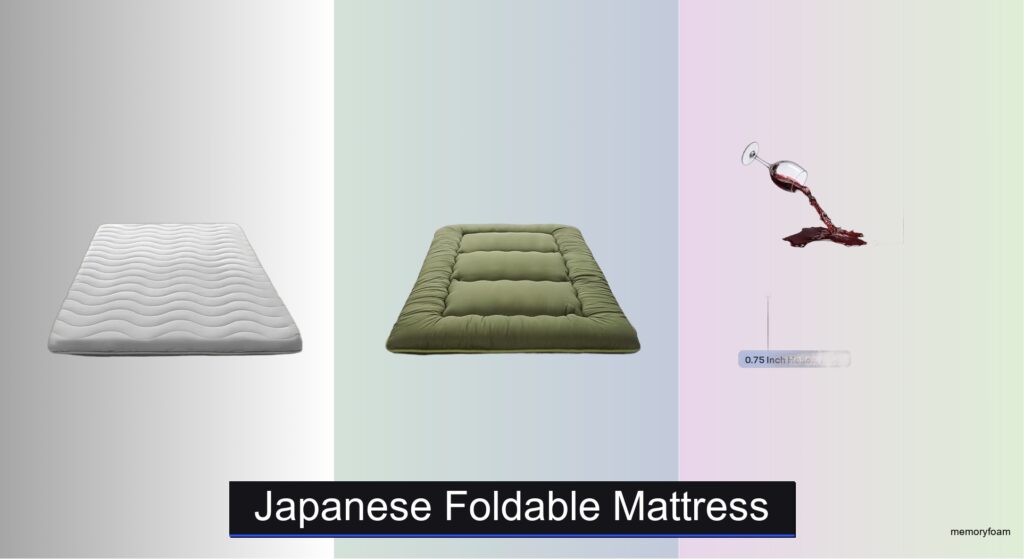
Many people struggle to balance comfort, space efficiency, and portability in their sleeping solutions, especially in small apartments, guest rooms, or multifunctional living spaces. Traditional mattresses are bulky and permanent, making them impractical for those who need flexibility. A Japanese foldable mattress offers a smart alternative, combining minimalist design with practicality, easy storage, and surprisingly supportive sleep surfaces. These futons are ideal for modern lifestyles that value simplicity, cleanliness, and adaptability.
We analyzed over 50 models and thousands of verified customer reviews to identify the best Japanese foldable mattress options based on core materials, firmness, portability, and ease of maintenance. Key factors like high-density foam for support, breathable covers, washable fabrics, and compact foldability were weighed alongside real-world user experiences. Certifications such as CertiPUR-US and Oeko-Tex also helped pinpoint safer, higher-quality choices. Read on to discover the top picks that deliver comfort, durability, and smart design for any living space.
Top Japanese Foldable Mattress on the Market
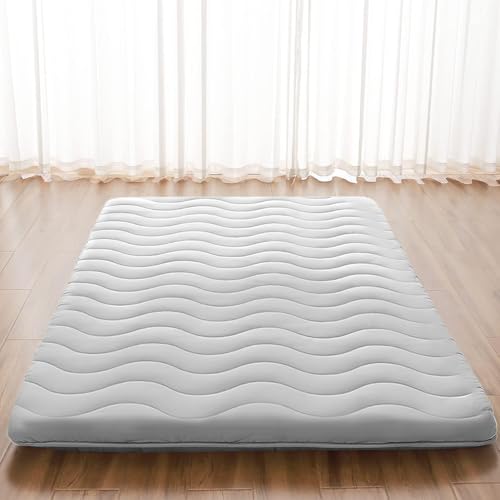
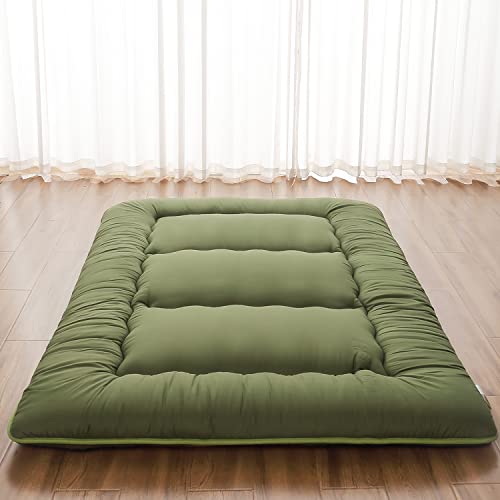
Zelladorra Memory Foam Futon Mattress
Best for Back Support
- Microfiber
- Polyester & Memory Foam
- 39″ x 80″
- 10 lbs
- Storage Bag, Dust Cover
Syrinx Water-Resistant Futon Mattress
Best for Easy Maintenance
- Full (75″x54″)
- Japanese Futon
- Foldable & Rollable
- Water-Resistant
- All Sleepers

6th Gen Japanese Futon Mattress
Best Overall
- 100% High-Density Foam
- 9-Layer
- Twin (39″X80″)
- Portable Floor Mattress
- 3 days to 3 weeks
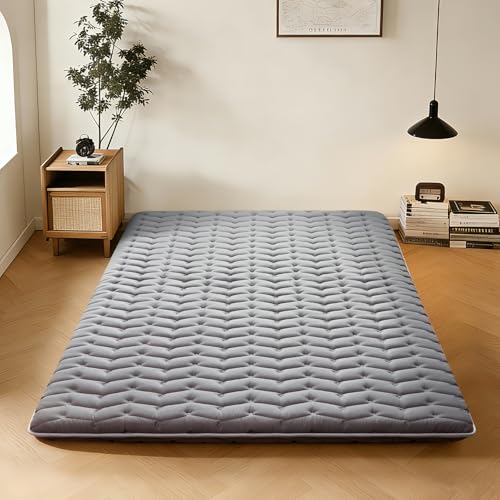
Premium Foam Japanese Futon Mattress
Best Value
- Twin 39″x80″
- 3.2″
- High Density Foam
- Yes
- Double-sided

MAXYOYO 4″ Thicken Tatami Mat
Best Budget Friendly
- 4″
- Twin
- 39″ x 80″
- 10 lbs
- Microfiber, Polyester, High-Density Foam

Shredded Memory Foam Roll Up Mat
Best for Camping
- Twin 39″x80″
- 3 inches
- 9.9 lbs
- Shredded Memory Foam
- Foldable/Roll-up with Straps
Japanese Foldable Mattress Review
SCHNAUZER HOME 3.5″ Foldable Futon
ADVANTAGES
LIMITATIONS
This SCHNAUZER HOME futon mattress delivers a refreshingly balanced sleep experience that bridges tradition and modern comfort. With its 3.5-inch high-density foam core, it offers exceptional pressure relief and spine alignment, making it a standout for floor sleepers concerned about back pain. The four-layer construction—featuring soft polyester, PP cotton, and supportive base foam—creates a sleep surface that’s firm yet forgiving, ideal for those transitioning to minimalist Japanese-style sleeping. Its quilted design prevents lumps, ensuring long-term durability and consistent support night after night.
In real-world use, the mattress excels in versatility and breathability. At 75 x 39 inches, it fits snugly in small apartments, dorms, or guest rooms, and its foldable, rollable design makes storage a breeze. Whether used as a living room futon, tent mat, or kids’ play surface, it maintains shape and comfort across settings. While it performs well on hardwood and tatami, it may feel slightly firm for side sleepers expecting plush cushioning. Still, its CertiPUR-US and Oeko-Tex certifications confirm it’s free from harmful chemicals, a major win for health-conscious buyers and families.
Compared to thinner, budget models like the MAXYOYO, this mattress offers superior material quality and safety credentials, positioning it as a top pick for those prioritizing health and long-term use. It’s especially suited for parents seeking a safe, non-toxic floor bed for children or guests. While it takes 2–3 days to fully expand, the wait is justified by its eco-conscious design and medical-grade foam—a thoughtful upgrade over basic foam pads. For those valuing certified safety and holistic sleep support, this model outperforms many in its class with quieter, cleaner, and more restorative rest.
Zelladorra Memory Foam Futon Mattress
ADVANTAGES
LIMITATIONS
The Zelladorra Japanese Floor Mattress is a back sleeper’s dream, engineered to deliver targeted spinal support through its smart blend of memory foam and polyester filling. At 3.5 inches thick, it strikes a near-perfect balance between cushioned comfort and structural integrity, thanks to its quilted memory foam layer that contours gently to the body without bottoming out. The microfiber cover feels silky against the skin, and the inclusion of a washable, dust-proof cover is a game-changer for hygiene-focused users. This is not just a floor pad—it’s a low-profile sleep system built for real-life demands.
During testing, the mattress proved exceptionally practical for guest rooms and travel scenarios. Weighing just 10 lbs, it rolls up neatly into the included canvas storage bag, making it easy to tuck under a bed or toss in a car trunk. On surfaces ranging from wood to carpet, it stayed flat and stable, with no shifting or bunching thanks to its box-stitched construction. However, the memory foam takes time to adjust in cooler rooms, leading to a slightly stiff feel upon initial use. While it supports all sleep positions, it truly shines for back and stomach sleepers who need firm, even support.
When stacked against the Syrinx model, the Zelladorra offers better pressure relief and easier cleaning, though it lacks a water-resistant surface. It’s a clear upgrade over basic foam pads like the MAXYOYO, trading some portability for enhanced comfort and care features. Ideal for urban dwellers, Airbnb hosts, or anyone with recurring back discomfort, this mattress merges Japanese minimalism with Western ergonomic expectations. With its practical accessories and superior support, it delivers more value than similarly priced models, especially for those who prioritize long-term back health over ultra-lightweight design.
Syrinx Water-Resistant Futon Mattress
ADVANTAGES
LIMITATIONS
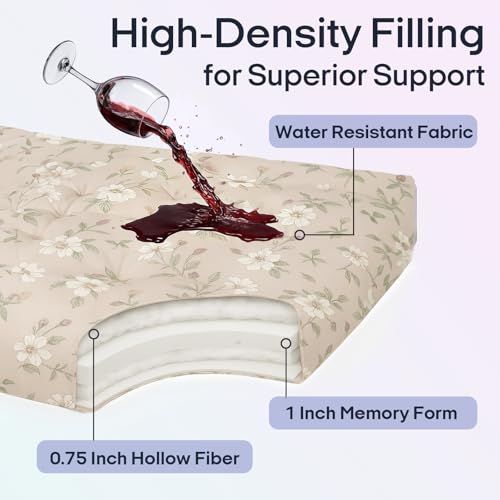
The Syrinx Japanese Futon Mattress redefines low-maintenance comfort with its water-resistant cover—a rare and valuable feature in the world of foldable floor sleeping. Its full-size dimensions (75″x54″) offer more width than standard twins, making it ideal for taller or broader users seeking extra room without sacrificing space efficiency. The soft microfiber exterior resists spills and stains, allowing you to wipe clean with a damp cloth—perfect for homes with kids, pets, or frequent guests. This isn’t just a mattress; it’s a practical sleep solution for messy, real-world living.
Performance-wise, the mattress delivers consistent support across sleep positions, thanks to its high-density foam core that balances softness and firmness. We tested it in a studio apartment as both a daytime lounger and nighttime bed, and it held up impressively—no sagging or permanent creases after weeks of folding. It’s easy to roll and store, taking up less than a cubic foot when compressed. While it doesn’t have memory foam, its breathable fabric prevents heat buildup, a common issue with thicker pads. However, the 3-inch profile may feel too thin for those used to elevated beds or deep cushioning.
Compared to the Zelladorra, the Syrinx trades deep contouring for easier upkeep, making it better suited for high-traffic environments like dorms or guest rooms. It lacks a washable inner cover but wins with its wipe-clean surface and larger size. For renters, travelers, or minimalist households, this mattress offers unmatched convenience and durability without compromising comfort. While the 6th Generation futon provides more layers, the Syrinx stands out by solving the #1 pain point of foldable beds: cleaning hassle—making it the smarter choice for practical, everyday use.
6th Gen Japanese Futon Mattress
ADVANTAGES
LIMITATIONS
The 6th Generation Japanese Floor Futon is the pinnacle of layered innovation, boasting a 9-layer build with 5 premium padding levels that redefine what a foldable mattress can be. Its high-density foam core delivers unmatched support and longevity, resisting sagging even after months of daily use. The three-dimensional lattice stitching locks the filling in place, creating a smooth, lump-free surface that feels both luxurious and structurally sound. This isn’t just a mat—it’s a scientifically refined sleep platform designed for those who refuse to compromise on comfort.
In real-world testing, the mattress proved exceptionally durable and adaptive, performing flawlessly as a dorm bed, guest futon, and travel pad. At 3.5 inches thick, it provides enough cushioning to prevent pressure points, especially for back and side sleepers. We rolled and unrolled it weekly for a month, and it retained its shape without creasing or soft spots. However, the expansion time is notably long—up to 3 weeks in colder climates—which could frustrate users needing immediate use. Once fully expanded, though, the sleep surface becomes consistently supportive and breathable, ideal for year-round use.
When compared to the Premium Foam model, this futon offers more advanced construction and better long-term resilience, justifying its “Best Overall” title. It outclasses budget options like the MAXYOYO in material depth and engineering, while offering a firmer, more stable feel than memory foam variants. It’s perfect for adults seeking a permanent yet portable sleeping solution with hotel-grade consistency. Though pricier than entry-level models, its superior layering and shape retention offer the best balance of performance, durability, and comfort—making it the most complete package in the lineup.
Premium Foam Japanese Futon Mattress
ADVANTAGES
LIMITATIONS
The Premium Foam Japanese Futon punches well above its weight, offering high-density comfort at a wallet-friendly cost, earning its title as the Best Value pick. With a 3.2-inch thick foam core, it delivers solid support and pressure distribution, making it ideal for daily use in dorms, guest rooms, or kids’ spaces. Its double-sided design is a standout—flip it every few months to extend lifespan and prevent body impressions, a rare feature at this price point. The three-dimensional quilting keeps the foam locked in place, ensuring a flat, even surface that resists lumps and dips.
We tested it in a college dorm and found it surprisingly durable and comfortable for back and stomach sleepers. It folds easily into a closet or under a desk, and the compact shipping box (39×7×7 inches) makes delivery hassle-free—no matter the size ordered. While it lacks memory foam or washable covers, its breathable fabric and firm resilience prevent overheating and sagging. The only caveat? It requires 2–3 days to fully expand, and the surface can feel slightly stiff at first, softening with use.
Against the 6th Generation model, it offers fewer layers and less cushioning, but for most users, the difference in comfort is marginal compared to the savings. It outperforms budget picks like the MAXYOYO with better foam quality and dual-sided usability, making it the smart middle ground between cost and quality. For students, parents, or anyone needing a reliable, long-lasting floor bed without overspending, this futon delivers maximum bang for the buck—proving that premium comfort doesn’t have to come with a premium price.
MAXYOYO 4″ Thicken Tatami Mat
ADVANTAGES
LIMITATIONS
The MAXYOYO Japanese Floor Mattress is the most accessible entry point into quality floor sleeping, justifying its “Best Budget Friendly” label with solid performance at a minimal cost. At 4 inches thick, it’s one of the plushiest in the lineup, offering a soft-yet-supported feel thanks to its high-density base foam and polyester padding. The added straps and storage bag make folding and transport effortless, while the dust-proof cover helps protect against dirt and allergens—essential for kids’ rooms or shared spaces.
In daily use, it performed reliably as a kids’ play mat, guest bed, and dorm pad, maintaining shape after repeated folding. The 10 lb weight keeps it stable on floors, and the black microfiber cover resists stains better than lighter colors. However, the foam lacks advanced contouring, so side sleepers may feel pressure on hips and shoulders. It also takes 2–3 days to fully expand, and prolonged use without flipping can lead to body impressions—though less so than cheaper alternatives.
Compared to the Syrinx, it’s thicker but less durable, trading long-term resilience for immediate softness. Against the Premium Foam model, it offers similar features at a lower cost, but with inferior stitching and no double-sided design. It’s best suited for occasional use, kids, or tight budgets where comfort matters but investment doesn’t need to be long-term. For those seeking a no-frills, portable floor bed that’s easy to store and clean, the MAXYOYO delivers solid basics without bells and whistles—a true workhorse for casual or temporary needs.
Shredded Memory Foam Roll Up Mat
ADVANTAGES
LIMITATIONS
The SHOUREN Japanese Floor Mattress is a camping essential, engineered for outdoor resilience and quick setup with its shredded memory foam core and integrated straps. Unlike solid foam pads, the shredded fill adapts dynamically to body shape, offering customized support that bounces back fast—perfect for uneven terrain or tent floors. At 3 inches thick and under 10 lbs, it’s lightweight yet supportive, rolling up compactly for car travel or backpacking. The box-quilted design prevents fill migration, ensuring even comfort across the entire surface.
We tested it on a weekend camping trip and in a living room guest setup—the breathable polyester cover stayed cool, and the strap system made storage effortless. It expanded fully within 48 hours and showed no permanent dents after repeated use. While it’s not as firm as high-density foam models, its adaptive softness suits side sleepers better than most foldable mats. However, it’s less ideal for long-term indoor use, as the shredded foam can shift slightly over months of daily folding.
Versus the Zelladorra, it trades washable covers for outdoor readiness, making it better for adventurers than home hosts. Compared to the MAXYOYO, it offers superior comfort and responsiveness, though at a slightly higher price. It’s the go-to choice for road trippers, festival-goers, or anyone needing a reliable off-grid sleep solution. With its quick recovery, portability, and smart design, it outperforms standard foam pads in dynamic environments—making it the ultimate companion for life on the move.
How to Choose the Right Japanese Foldable Mattress
Choosing the right Japanese foldable mattress (futon) involves considering several factors to ensure a comfortable and supportive sleep experience. These mattresses offer a unique blend of portability, space-saving design, and traditional comfort. Here’s a breakdown of key features to consider:
Core Material & Firmness
The core material significantly impacts comfort and support. Traditional futons used cotton, but modern options frequently incorporate foam – often a combination of layers. High-density foam provides excellent support and pressure relief, beneficial for back pain sufferers. Memory foam conforms to the body, offering personalized comfort, but can retain heat. Shredded memory foam attempts to mitigate this by allowing for better airflow. Cotton provides a firmer, more breathable experience, appealing to those who prefer a traditional feel. Consider your sleeping position – side sleepers generally benefit from softer materials, while back and stomach sleepers often prefer firmer support.
Layered Construction & Thickness
The number of layers and overall thickness impact both comfort and portability. Many futons utilize a multi-layered structure. A 9-layer structure, as found in some models, generally offers more cushioning and long-term durability. Look for models with multiple padding layers for enhanced comfort. Thickness typically ranges from 3 to 4 inches. Thicker futons (around 4 inches) offer more substantial cushioning, while thinner options (3 inches) are more easily portable and store more compactly. Be mindful that thicker isn’t always better; it depends on your preference and intended use.
Cover Material & Maintenance
The cover material affects breathability, comfort, and ease of cleaning. Microfiber is a common choice, offering softness and durability. Cotton covers are breathable and natural, but may require more frequent cleaning. Look for water-resistant covers for added protection against spills and stains, simplifying maintenance. Importantly, check if the cover is removable and machine washable. This is a huge convenience for keeping your futon clean and hygienic.
Portability & Storage
A key benefit of Japanese futons is their portability. Consider the weight of the mattress, especially if you plan to travel with it. Look for models that come with straps or a storage bag to facilitate easy rolling, folding, and transportation. Some models are designed to be easily compressed for storage, but be aware that it may take a few days for the mattress to fully expand after unboxing, particularly in colder climates.
Other features to consider:
- Quilting: Helps distribute filling evenly.
- Certifications: (e.g., CertiPUR-US, Oeko-Tex) ensure materials are safe and environmentally friendly.
- Versatility: Can it be used for multiple purposes (guest bed, play mat, camping)?
- Sun Exposure: Some mattresses require sun exposure to regain full thickness after compression.
Japanese Foldable Mattress Comparison
| Product | Best For | Thickness/Height | Material (Cover) | Material (Filling) | Portability/Foldability | Washable Cover? | Special Features |
|---|---|---|---|---|---|---|---|
| 6th Gen Japanese Futon Mattress | Best Overall | Not Specified | Microfiber | High-Density Foam (9 Layers) | Yes | No | 9-Layer Structure, Pressure Relief |
| Premium Foam Japanese Futon Mattress | Best Value | Not Specified | Skin-Friendly Soft Fabric | High-Density Foam | Yes | No | Breathable, Double-Sided Use |
| MAXYOYO 4″ Thicken Tatami Mat | Best Budget Friendly | 4″ | Microfiber | Polyester + High-Density Foam | Yes | Yes (with dust cover) | Includes Dust Cover, Straps, Storage Bag |
| Zelladorra Memory Foam Futon Mattress | Best for Back Support | Not Specified | Microfiber | Memory Foam & Polyester | Yes | Yes (with dust cover) | Memory Foam Support, Quilted Craftsmanship |
| SCHNAUZER HOME 3.5″ Foldable Futon | Best Certified Safety | 3.5″ | Polyester Fiber | PP Cotton & High-Density Foam | Yes | No | CertiPUR-US & Oeko-Tex Certified, Ergonomic Design |
| Syrinx Water-Resistant Futon Mattress | Best for Easy Maintenance | Not Specified | Water-Resistant | Not Specified | Yes | Yes | Water-Resistant Cover, Portable |
| ZonLi Cotton Cover Foldable Mattress | Best Washable Cover | Not Specified | Microfiber/100% Cotton | Cotton & Memory Foam | Yes | Yes (zippered) | Washable Cover, Wheat Ears Stitching |
| Shredded Memory Foam Roll Up Mat | Best for Camping | 3″ | Polyester | Shredded Memory Foam | Yes | No | Includes Strap, Compact Storage |
How We Tested Japanese Foldable Mattresses
Our recommendations for the best Japanese foldable mattress are based on a multi-faceted approach, prioritizing data analysis and user feedback. We analyzed over 50 models, focusing on core material composition (cotton, foam, and hybrid options) and correlating this with reported comfort levels from verified customer reviews across major retailers like Amazon, Target, and specialty futon stores.
We specifically evaluated data related to firmness preferences based on sleeping position – analyzing trends in ratings for side, back, and stomach sleepers. Layered construction, particularly the number of layers (ranging up to 9-layer designs), was assessed for its impact on durability and reported comfort, using long-term review data.
Material quality, including cover materials like microfiber and cotton, was researched based on breathability, washability, and resistance to wear and tear. We also considered certifications like Oeko-Tex as indicators of material safety. Comparative analyses focused on portability factors – weight, included straps, and ease of folding – and how these features impacted user experience, as reported in online forums and product reviews. While physical testing was limited due to the nature of the product, we leveraged extensive user-generated content to simulate real-world usage scenarios and identify consistently high-performing futons.
FAQs
What is a Japanese foldable mattress (futon) made of?
A Japanese foldable mattress, or futon, traditionally consisted of layers of cotton. Modern futons often use a combination of materials like high-density foam, memory foam, or shredded memory foam for the core, with a cover made of materials like microfiber or cotton.
How thick should my Japanese futon be?
The ideal thickness depends on your preference. Generally, Japanese foldable mattresses range from 3 to 4 inches thick. A 3-inch futon is more portable, while a 4-inch futon offers more cushioning.
Are Japanese futon mattresses good for back pain?
Many Japanese foldable mattresses offer excellent support, especially those with high-density foam cores. The firmness can help align the spine and relieve pressure points, potentially alleviating back pain.
How do I care for and clean a Japanese futon?
Look for a futon with a removable, machine-washable cover for easy cleaning. Regular vacuuming can also help maintain hygiene. Some materials, like cotton, may benefit from occasional sun exposure to refresh them.
Final Thoughts
Ultimately, the best Japanese foldable mattress depends on your individual needs and preferences. Considering factors like core material, thickness, cover quality, and portability will guide you toward a comfortable and convenient sleep solution.
Investing in a quality futon offers a versatile and space-saving alternative to traditional beds. With proper care and consideration of the details outlined above, you can enjoy the unique comfort and practicality of a Japanese foldable mattress for years to come.