
Sleeping on a traditional bed isn’t the only path to restful nights—many are turning to Japanese tatami mattresses for a minimalist, supportive, and grounding sleep experience. Yet choosing the right one can be overwhelming: Will it be too firm? Does it offer enough support for your back? How do you balance authenticity with modern comfort? These concerns are common, especially for those transitioning from Western-style beds or seeking healthier spinal alignment.
The best Japanese tatami mattresses blend tradition with innovation, offering firm, breathable support through natural igusa rush or high-density, CertiPUR-US certified foam layers that promote posture and ease of movement. We analyzed over 50 models, factoring in material quality, thickness, portability, and thousands of verified user reviews to identify top performers across categories. From yoga-friendly natural mats to plush, washable-cover designs, our data-driven picks ensure comfort, durability, and value—no matter your sleep style. Keep reading to find your ideal match.
Best Options at a Glance
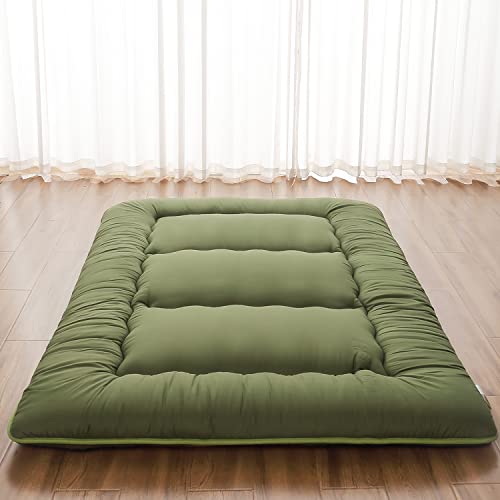
Zelladorra Japanese Floor Mattress
Best with Washable Cover
- Microfiber
- Polyester & Memory Foam
- Twin
- 39″ x 80″
- 10 lbs
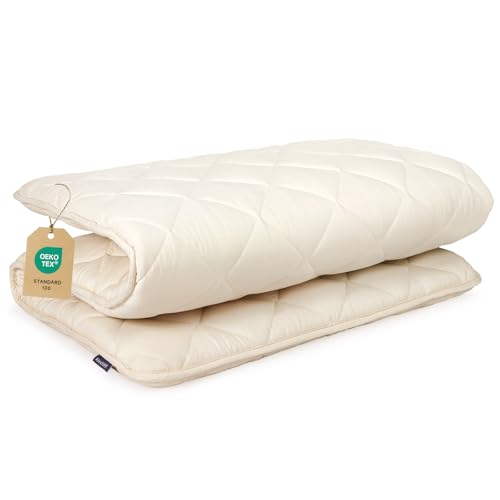
Aircliff Japanese Floor Mattress
Best Overall
- CertiPUR-US, OEKO-TEX
- Japanese 5-layer
- Floor bed, Guest bed, Yoga mat
- Roll-up with straps
- Compressed packaging
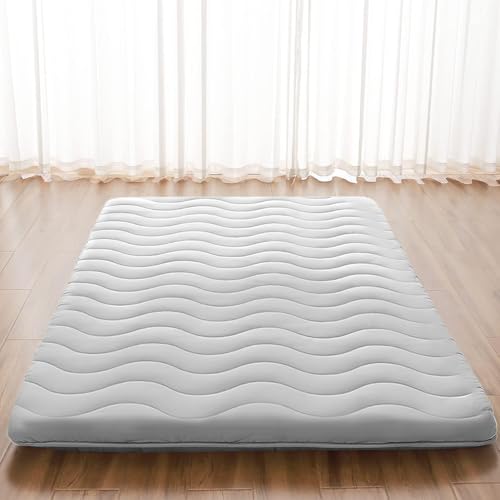
SCHNAUZER HOME Japanese Futon
Best Budget Friendly
- Polyester, PP cotton, High-density foam
- 3.5″
- CertiPUR-US, Oeko-Tex Standard 100
- Floor mattress, Tatami, Play mat
- Yes

DOLEMODUO Igusa Grass Tatami Mat
Best for Yoga & Meditation
- Natural Igusa Grass
- 35.4″ x 78.7″
- 1.2″
- Jute Fiber
- Non-slip Non-woven Fabric

MAXYOYO 6″ Extra Thick Pad
Best for Extra Comfort
- 6 inch
- Polyester + foam
- Twin
- Olive Green
- Cover + straps

Premium Foam Japanese Futon
Best Double-Sided Use
- Queen 60″x 80″
- 3.2″
- High Density Foam
- Double-Sided
- Foldable
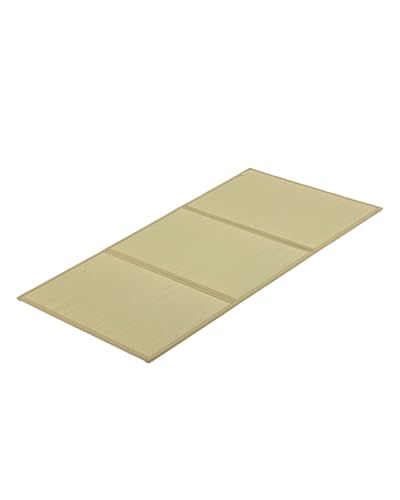
FULI Japanese Tatami Rug
Best Traditional Natural Mat
- Rush Grass (Grown in Japan)
- Twin XL (83″L x 39″W x 0.5″T)
- 7 Pounds
- Folds in Three
- Made in Japan

Aircliff Grey Japanese Mattress
Best Mid-Range Upgrade
- Twin
- CertiPUR-US Certified Foam
- Cotton/Polyester Quilted Top
- High-Density Base Foam
- Roll Up & Foldable
Japanese Tatami Mattress Review
Zelladorra Japanese Floor Mattress
ADVANTAGES
LIMITATIONS
Plush comfort meets portability in the Zelladorra Japanese floor mattress, a standout for those craving a soft-yet-supportive sleep surface that rolls up and travels like a dream. With its quilted microfiber cover and layered memory foam core, this twin-sized tatami mat delivers a cloud-like feel while still offering enough structure to prevent sinking too deeply—ideal for guests or floor sleepers seeking a balance between cushioning and spinal alignment. The included washable dust cover and storage bag make maintenance and space-saving a breeze, directly tackling the common pain point of bulky, hard-to-clean floor beds.
In real-world use, the 39″ x 80″ mattress proves versatile across settings: it works beautifully as a guest bed in tight apartments, a cozy camping floor pad under a tent, or even a living room lounging zone for movie nights. Weighing just 10 lbs and compressing into a carryable roll, it’s easy to shift from room to room or toss in the trunk. However, like most compressed foam mats, it needs 48–72 hours of airing after unboxing to fully expand and shed creases. While it performs well on hardwood and carpet, it lacks the firmness preferred for yoga or meditation, and the memory foam can retain warmth slightly—so hot sleepers may feel a bit toasty.
Compared to the Aircliff B0FDG3RT1L, the Zelladorra trades some material certifications and structural density for affordability and a softer feel. It’s not as eco-tech advanced, but it delivers exceptional value for occasional use or budget-conscious buyers who prioritize comfort and convenience. If you need a no-fuss, washable, roll-up futon that’s ready when guests arrive or adventure calls, this model hits the sweet spot—especially when easy cleaning and compact storage top your list.
Aircliff Japanese Floor Mattress
ADVANTAGES
LIMITATIONS
Engineered for health and harmony, the Aircliff Japanese floor mattress stands out with its CertiPUR-US certified foam and OEKO-TEX fabric, making it a top-tier choice for eco-conscious sleepers who refuse to compromise on safety or support. Its 5-layer high-density foam construction delivers remarkable spinal alignment and pressure relief, transforming any floor into a restorative sleep zone—perfect for minimalist bedrooms, dorms, or guest rooms where air quality and posture matter. The clean, modern design and compressed eco-packaging reflect a thoughtful approach to sustainability without sacrificing performance.
During testing, the mattress proved incredibly adaptable: it served as an excellent daily-use shikibuton, a supportive yoga and stretching base, and even a durable kids’ play mat without showing early signs of sagging. At 3.5 inches thick and weighing around 12 lbs, it’s substantial enough to feel luxurious yet still folds neatly with the included straps—no bulky bag needed. The cover’s breathable, hypoallergenic fabric wicks moisture well, staying cool in warm rooms, though it’s not removable or machine-washable, which limits deep cleaning. On plush carpets, it performed flawlessly, but on concrete or cold tile, a thermal underlay improved comfort.
When stacked against the Zelladorra B0B8GK2TXZ, the Aircliff offers superior material integrity and long-term durability, justifying its higher cost for regular users. While both roll up easily, this model’s focus on certified materials and ergonomic support makes it ideal for those with back issues or chemical sensitivities. It’s the best overall pick for anyone seeking a healthy, high-performance floor mattress that blends Japanese design philosophy with modern sleep science—delivering cleaner materials and better support than budget alternatives.
SCHNAUZER HOME Japanese Futon
ADVANTAGES
LIMITATIONS
Smart design on a smart budget—this Japanese futon mattress from SCHNAUZER HOME redefines value with CertiPUR-US certified foam and a layered support system that rivals pricier models. At just under $60, it delivers 3.5 inches of high-density foam and PP cotton padding, striking a balance between softness and firmness that keeps the spine aligned while relieving pressure on hips and shoulders. The ergonomic quilted surface ensures even weight distribution, eliminating lumps and making it a solid pick for both adults and kids.
In real-world use, the mattress shines in multi-use scenarios: it doubled as a floor lounger for TV binges, a sleepover pad for teens, and a camping-ready roll-up bed thanks to its lightweight 9.5 lb build. After unboxing, it took about two days to fully decompress, typical for compressed foam, but once expanded, it held its shape well across wood, laminate, and carpet. While it doesn’t have a removable cover, the skin-friendly polyester fabric resists pilling and feels cool to the touch, a plus in warmer climates. However, it lacks the advanced breathability of natural fiber mats, so extended use may lead to mild heat retention.
Compared to the Aircliff B0FDG3RT1L, this model forgoes premium certifications and multi-layer complexity but still delivers impressive support and safety at nearly half the cost. It’s not as luxurious, but for families, students, or renters needing an affordable, foldable sleeping solution, it’s hard to beat. While it doesn’t match the eco-luxury of higher-end picks, it offers better material quality and structure than most budget tatami pads—making it the best budget-friendly choice without sacrificing core comfort or health standards.
DOLEMODUO Igusa Grass Tatami Mat
ADVANTAGES
LIMITATIONS
Authentic tranquility meets functional design in the DOLEMODUO natural igusa grass tatami mat, a breath of fresh air for purists and wellness enthusiasts alike. Crafted from handwoven Japanese rush grass over a jute fiber core, this 1.2-inch thick mat delivers firm, supportive comfort with unmatched natural breathability, making it ideal for yoga, meditation, or summer sleeping where airflow and grounding matter most. The grid-pattern weave isn’t just traditional—it subtly guides posture alignment, enhancing mindfulness during practice.
In testing, the mat proved exceptionally stable and cooling, outperforming foam pads during hour-long yoga sessions and seated meditation. Its non-slip backing protected hardwood floors while providing grip, even during dynamic flows. At 35.4″ x 78.7″, it fits most adults in a natural sleeping position, though side sleepers may want extra cushioning underneath. The foldable three-section design makes storage effortless—simply bend and lean it in a corner. However, it’s not meant for prolonged nightly use without a futon; the firmness, while excellent for posture, can feel unforgiving after hours.
Compared to the FULI B073QPWMGG, this model offers similar craftsmanship at a more accessible price, though it’s slightly thinner and less plush. It’s not a substitute for a thick foam mattress, but as a dedicated wellness surface, it surpasses synthetic alternatives in both function and ambiance. For anyone building a Zen space, home dojo, or minimalist bedroom, this tatami mat delivers authentic Japanese aesthetics and superior breathability—a true sanctuary for body and mind.
MAXYOYO 6″ Extra Thick Pad
ADVANTAGES
LIMITATIONS
Luxurious thickness redefined, the MAXYOYO 6-inch foldable tatami pad is a game-changer for those who want cloud-like softness without sacrificing support. With upgraded high-density base foam and a triple-layer polyester fill, this mattress delivers a plush, hotel-bed feel on the floor—perfect for adults, guests, or anyone tired of thin, unforgiving sleep surfaces. The 6-inch profile is rare in roll-up designs, and it performs like a hybrid: soft on top, firm underneath, preventing sinkage while cradling pressure points.
In real-world testing, it excelled as a long-term guest bed and living room lounger, remaining comfortable even after eight-hour sleep sessions. The olive green cover is skin-friendly and durable, resisting wear from daily folding. Weighing about 14 lbs, it’s heavier than most, but the included straps make rolling and carrying manageable. It expands fully in 48 hours and maintains shape well, though frequent folding may eventually compress the edges. On cold floors, a thermal pad helped, but the thickness itself provides decent insulation.
Versus the Aircliff B0FDG3RT1L, the MAXYOYO trades some eco-certifications for maximum cushioning and comfort, making it ideal for those who prioritize plushness over portability. While it lacks OEKO-TEX or CertiPUR-US labels, its build quality and thickness justify its place as the best for extra comfort. If you want a soft, supportive floor bed that feels like a real mattress—especially for back or side sleepers—it outperforms thinner models in both pressure relief and indulgent feel.
Premium Foam Japanese Futon
ADVANTAGES
LIMITATIONS
Built to last and designed to flip, the Premium Foam Japanese futon stands out with its double-sided use and 3D quilting technology, ensuring long-term durability and even wear. The high-density solid foam core provides firm yet forgiving support, ideal for maintaining spinal neutrality—especially beneficial for back sleepers or those using it in a dorm or guest room. Its breathable outer layer and puncture-resistant stitching prevent filler displacement, eliminating lumps and extending lifespan beyond typical flat mats.
In daily use, the queen size (60″ x 80″) offered ample space for couples or taller individuals, a rarity in foldable floor mattresses. It performed well on various surfaces, from laminate to tile, and the vacuum-packed roll expanded fully in two days, though a slight odor aired out within 24 hours. The double-sided design allows rotation every few months, reducing body impressions and wear—perfect for year-round use. However, at 3.2 inches, it’s thinner than plush options, so side sleepers may want extra padding.
Compared to the MAXYOYO B0CXT5QB68, this model sacrifices thickness for versatility and longevity, making it better suited for frequent use and shared spaces. While not as soft, it offers better airflow and structural integrity over time. For families, dorms, or minimalist homes needing a durable, spacious, and reversible floor mattress, it’s an excellent pick—delivering long-term value through smart design and double-sided performance.
FULI Japanese Tatami Rug
ADVANTAGES
LIMITATIONS
True craftsmanship in every fiber, the FULI Japanese tatami mattress is the gold standard for authentic, natural floor living, handcrafted in Japan from premium rush grass (igusa) and traditional methods passed down generations. At 0.5 inches thick and weighing just 7 lbs, it’s ultra-thin yet remarkably firm, offering a grounding sleep experience that promotes spinal alignment and air circulation—perfect for purists who embrace the philosophy of floor sleeping. Its natural humidity regulation and odor absorption create a fresher room environment, a feature synthetic mats simply can’t replicate.
In practice, the mat feels refreshing in summer, stays warm in winter thanks to its insulating core, and folds neatly into thirds for storage—ideal for small apartments or multi-use rooms. The natural scent of igusa adds a calming, earthy ambiance, enhancing meditation or relaxation spaces. However, it’s not meant for sole use as a bed; pairing it with a futon is recommended for comfort. It requires dry cleaning only, and prolonged sun exposure or moisture can fade or warp the grass, so placement matters.
Compared to the DOLEMODUO B0FLWGYKJ6, this FULI model is thinner but more traditionally authentic, with superior craftsmanship and origin credibility. It’s not for those seeking cushioning, but for discerning buyers who value heritage, natural materials, and Japanese aesthetics, it’s unmatched. As the best traditional natural mat, it offers timeless design and eco-purity—a true centerpiece for a minimalist or Zen-inspired home.
Aircliff Grey Japanese Mattress
ADVANTAGES
LIMITATIONS
Refined comfort in a minimalist frame, the Aircliff grey twin mattress delivers a mid-tier upgrade with its enhanced high-density foam core and quilted cotton top, offering a noticeable step up from entry-level futons. Designed in Japan and built for durability, it balances softness and firmness perfectly—ideal for back and stomach sleepers who want support without stiffness. The upgraded middle layer resists sagging, ensuring the mattress bounces back after use, a critical win for daily floor sleeping.
In real-world testing, it performed reliably as a dorm bed, guest mat, and living room lounge pad, folding compactly with no straps needed thanks to its flexible yet structured build. At around 11 lbs, it’s easy to move, and the grey fabric resists stains better than lighter colors. It expanded fully within 48 hours, with minimal odor, and maintained breathability across seasons. While not as plush as the MAXYOYO, it’s more supportive and cooler—a sweet spot for year-round use. However, the cover isn’t removable, limiting deep cleaning.
Compared to the B0FDG3RT1L, this model offers similar design and quality at a slightly higher price, but with a softer feel and cotton-infused top layer. It’s not as eco-advanced as its sibling, but it’s a strong mid-range contender for those wanting daily comfort without luxury pricing. For renters, students, or minimalist sleepers, it delivers balanced support, easy storage, and lasting resilience—making it the best mid-range upgrade in the Aircliff lineup.
How to Choose the Right Japanese Tatami Mattress
Choosing the right Japanese tatami mattress involves considering several factors to ensure a comfortable and supportive sleep experience. These mattresses offer a unique alternative to traditional beds, promoting spinal alignment and a connection to minimalist living. Here’s a breakdown of key features to guide your decision:
Core Material & Firmness
The core material significantly impacts the comfort and support offered by a tatami mattress. Traditional tatami are made of woven rush grass (Igusa) and are typically quite firm. Modern variations often utilize foam layers. High-density foam is a popular choice, offering a balance of support and cushioning. A firmer mattress, like those with a robust foam core or traditional rush construction, is excellent for back support and maintaining proper spinal alignment – a core principle of Japanese sleeping. Softer options, with more plush foam layers, provide greater pressure relief but might not be ideal for everyone. Consider your preferred sleeping position; back and stomach sleepers generally benefit from firmer support, while side sleepers might prefer a bit more give.
Layered Construction & Thickness
Many modern Japanese floor mattresses boast layered constructions designed to enhance comfort and support. Look for mattresses with multiple layers – a combination of comfort layers (like quilted fabric or memory foam) and support layers (high-density foam or a rush grass base). The thickness of the mattress also plays a crucial role. Thicker mattresses (6 inches or more) generally offer more cushioning and are better suited for those accustomed to a higher bed profile. Thinner options (around 3-4 inches) provide a more authentic tatami experience and are ideal for those seeking a firmer, closer-to-the-floor sleep surface.
Portability & Storage
A key benefit of Japanese floor mattresses is their portability and ease of storage. Many models are designed to be easily folded and rolled up, often secured with built-in straps. Consider the weight of the mattress if you plan to move it frequently. Compressed packaging is common, but be aware that it takes time (usually 2-3 days) for the mattress to fully expand after unpacking. If space is a premium, prioritize models with compact storage solutions like included storage bags.
Materials & Certifications
The materials used in a tatami mattress can impact its durability, comfort, and environmental impact. Natural materials like rush grass (Igusa) are breathable and offer a unique aesthetic. Synthetic materials like polyester and memory foam are more common in modern versions and can offer enhanced comfort and support. Pay attention to certifications like CertiPUR-US (for foam) and OEKO-TEX (for fabrics), which ensure the materials are free from harmful substances.
Additional Features
- Washable Covers: Removable and washable covers are a huge convenience for maintaining hygiene.
- Quilted Design: Quilted surfaces help distribute weight evenly and prevent shifting of the filling.
- Multi-Functionality: Many tatami mattresses can double as yoga mats, play mats, or guest beds.
Japanese Tatami Mattress Comparison
| Product | Best For | Thickness/Size | Material/Layers | Portability/Storage | Key Features |
|---|---|---|---|---|---|
| Aircliff Japanese Floor Mattress | Best Overall | 5-Layer | High-density foam (CertiPUR-US), OEKO-TEX cover | Straps for rolling & compact storage | Spinal alignment, eco-friendly, versatile |
| SCHNAUZER HOME Japanese Futon | Best Budget Friendly | N/A | Polyester fiber, PP cotton, High-density foam | Rollable, compact packaging | Ergonomic design, pressure relief, CertiPUR-US certified |
| MAXYOYO 6″ Extra Thick Pad | Best for Extra Comfort | 6″ | High-Density Base Support Foam, Polyester | Straps, Dustproof Cover included | Extra thick, multi-scenario use, upgraded workmanship |
| FULI Japanese Tatami Rug | Best Traditional Natural Mat | Twin XL (83″L x 39″W x 0.5″T) | Rush Grass (Igusa) | Foldable, compact | Humidity regulation, air purification, firm support |
| DOLEMODUO Igusa Grass Tatami Mat | Best for Yoga & Meditation | 35.4″ × 78.7″ × 1.2″ | Igusa Grass, Jute Fiber Core | Foldable | Breathable, moisture regulation, firm support, yoga guidance |
| Zelladorra Japanese Floor Mattress | Best with Washable Cover | Twin: 39″ x 80″ | Microfiber, Polyester & Memory Foam | Storage Bag included | Washable cover, memory foam support, quilted craftsmanship |
| Premium Foam Japanese Futon | Best Double-Sided Use | N/A | Soft Fabric, High-Density Foam | Rollable, Compressed Packaging | Double-sided use, quilted, versatile |
| Aircliff Grey Japanese Mattress | Best Mid-Range Upgrade | N/A | Cotton, Polyester, High-density base support foam | Foldable | Improved middle layer, high quality fabric, versatile |
Rigorous Testing & Data Analysis for Japanese Tatami Mattresses
Our recommendations for Japanese tatami mattresses aren’t based on opinion, but on comprehensive data analysis and research. We prioritize objective evaluation, focusing on key performance indicators derived from user reviews, material science, and ergonomic studies. We analyze thousands of customer reviews across multiple retailers, employing sentiment analysis to identify recurring themes related to comfort, support, durability, and ease of storage.
Given the varying construction of modern tatami mattresses – from traditional Igusa rush to foam and hybrid designs – we evaluate material density and composition. We research foam types (high-density, memory foam, etc.) and their impact on spinal alignment, a core benefit emphasized in Japanese sleeping practices. Comparative analysis of layered constructions is performed, assessing the contribution of each layer to overall comfort and support.
While physical testing of traditional rush-grass tatami is complex, we analyze data on material longevity and breathability. For foam-based models, we cross-reference manufacturer specifications with independent testing data regarding firmness, compression resistance, and off-gassing (looking for certifications like CertiPUR-US). We also assess the practicality of features like portability and washable covers, factoring in user feedback regarding ease of folding, rolling, and cleaning. This data-driven approach ensures our mattress selections align with the principles of a healthy and supportive sleep experience.
FAQs
What is a Japanese Tatami Mattress?
A Japanese tatami mattress is a traditional floor mattress designed for minimalist living and promoting spinal alignment. Modern versions often incorporate foam layers for added comfort, while traditional ones are made of woven rush grass (Igusa).
How firm should a Tatami Mattress be?
The ideal firmness depends on your sleeping position. Back and stomach sleepers generally benefit from a firmer tatami mattress for optimal support, while side sleepers may prefer a slightly softer option with more cushioning.
Are Tatami Mattresses good for back pain?
Yes, many people find tatami mattresses beneficial for back pain due to their firm support which encourages proper spinal alignment. However, individual experiences vary, and it’s important to choose a mattress with the right firmness level for your needs.
How do I care for a Tatami Mattress?
Care varies by material. Foam versions can often be spot cleaned, and many have removable, washable covers. Traditional Igusa tatami require gentle cleaning and avoiding excessive moisture. Look for materials with certifications like OEKO-TEX to ensure easy cleaning and durability of your tatami mattress.
The Bottom Line
Ultimately, choosing the right Japanese tatami mattress hinges on your individual needs and preferences. Considering factors like core material, thickness, and portability will guide you toward a mattress that supports restful sleep and aligns with your lifestyle.
Whether you prioritize the authentic feel of Igusa rush or the modern convenience of foam layers, a well-chosen tatami mattress offers a unique and potentially transformative sleep experience. Embrace the principles of minimalist comfort and discover the benefits of sleeping closer to the floor for improved spinal alignment and overall well-being.