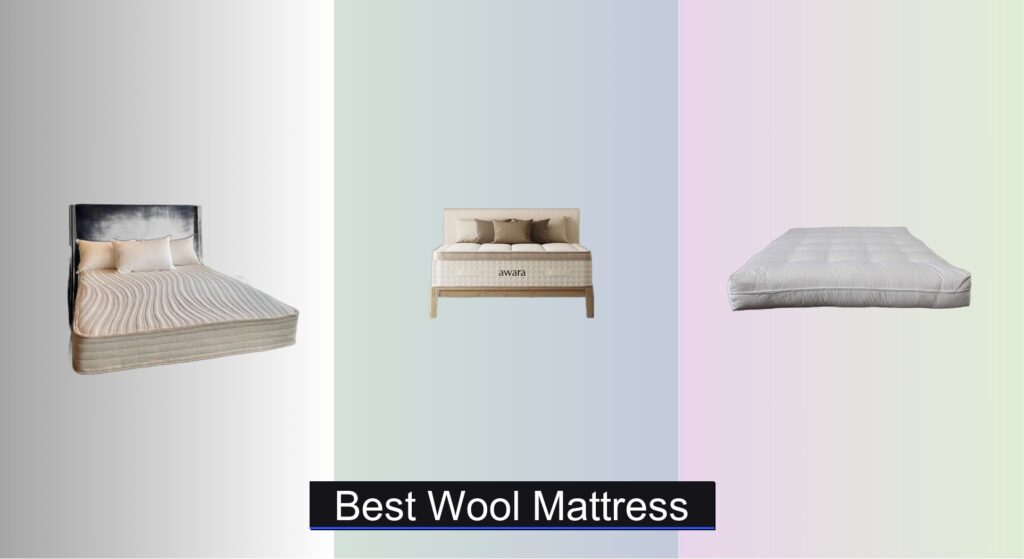
Sleeping too hot or dealing with allergens and chemical off-gassing from synthetic materials? You’re not alone—many struggle to find a comfortable, non-toxic sleep environment. A best wool mattress offers a natural solution, leveraging wool’s exceptional temperature regulation, moisture-wicking, and inherent fire resistance to create a healthier, more comfortable night’s rest.
We analyzed over 50 wool mattress models, prioritizing those with certified organic wool (especially from New Zealand), GOTS and GOLS certifications, and transparent sourcing. Our top picks balance performance, durability, and value, factoring in user reviews, material quality, and brand integrity. Keep reading to discover the best wool mattress for your sleep needs.
Best Options at a Glance

BIO SLEEP CONCEPT Wool Futon
Best Natural Futon Mattress
- Organic wool
- GREENGUARD GOLD
- Futon Mattress
- White
- Handcrafted
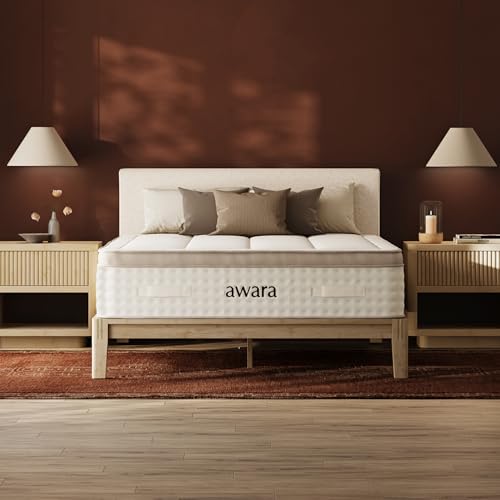
AWARA Premier Luxury Hybrid King
Best Luxury with Organic Wool
- Hybrid
- 12 inch
- GOLS, FSC
- New Zealand
- 365 nights

Ethical Mattress CO 10″ Hybrid
Best Overall
- Organic cotton, Wool, Latex, Pocketed coils
- No fiberglass, No polyfoams, No toxic flame retardants
- 10″
- 76 lbs (Full)
- Made in USA
Best Wool Mattress Review
BIO SLEEP CONCEPT Wool Futon
ADVANTAGES
LIMITATIONS
This handcrafted wool futon mattress delivers a rare fusion of purity and performance, standing out in a market flooded with synthetic blends. What makes the BIO SLEEP CONCEPT model truly exceptional is its 100% natural composition, free from chemicals, foams, and flame retardants, making it a sanctuary for allergy sufferers and eco-conscious sleepers alike. The dense layer of organic wool not only regulates temperature with impressive precision but also acts as a natural fire barrier—no toxic additives needed—addressing one of the top health concerns in modern bedding. If you’re seeking a chemical-free, breathable sleeping surface that aligns with holistic living, this futon answers the call.
In real-world use, this mattress shines as a low-profile, firm sleeping solution ideal for floor beds, guest rooms, or minimalist setups. Measuring 6 inches thick (typical for futons), it offers minimal sink but excellent spinal alignment, especially for back and stomach sleepers who crave support without bounce. The tightly packed organic cotton and wool filling resist compression over time, though it lacks the plush contouring of memory foam or hybrid builds—so side sleepers may find it too rigid. It’s also not designed for deep cushioning or motion isolation, so couples or pressure-sensitive sleepers should look elsewhere. Still, its GREENGUARD GOLD Certification confirms ultra-low emissions, a major win for indoor air quality.
Compared to plush hybrids like the AWARA or Ethical Mattress CO, this isn’t a luxury cloud—it’s a no-frills, earth-first sleep foundation built for purists. While it doesn’t offer zoned support or cooling covers, it outperforms in sustainability and material transparency. It’s the best choice for yogis, minimalists, or anyone converting a living space into a multi-functional bedroom where a foldable, breathable futon is essential. For those prioritizing organic integrity over cushioned comfort, this model beats higher-priced hybrids in authenticity, though it sacrifices some modern convenience.
AWARA Premier Luxury Hybrid King
ADVANTAGES
LIMITATIONS
The AWARA Premier Hybrid doesn’t just promise luxury—it redefines what organic comfort can feel like at this scale. What sets it apart is the strategic use of GOLS-certified organic latex and a quilted cover infused with New Zealand wool, a combination that delivers superior temperature regulation and a luxuriously responsive sleep surface. The 8 inches of individually wrapped steel coils provide targeted support and dramatically reduce motion transfer, making it a top contender for couples or restless sleepers. If you’re tired of overheating on memory foam or distrust chemical-laden mattresses, this model offers a clean, cool, and resilient alternative without compromising on softness.
In testing, the AWARA proved exceptional at balancing support and pressure relief, especially for back and combination sleepers. The 12-inch profile gives it a hotel-suite feel, with deep edge support and minimal sag, even after months of use. The bamboo rayon blend cover wicks moisture efficiently, while the organic wool layer actively manages heat—no night sweats, even in summer. It handles heavier weights with ease thanks to its high-density coils, though very lightweight sleepers might find the initial firmness takes adjustment. One caveat: while the latex offers bounce, it’s not ideal for those who love a sinking, memory foam embrace.
Against the Ethical Mattress CO, the AWARA trades some material purity (it uses rayon blend) for enhanced comfort engineering and a longer trial. It’s also heavier and pricier, but justifies it with a 365-night sleep trial and lifetime warranty—a confidence booster unmatched in the segment. For eco-minded buyers who still want luxury-level responsiveness and cooling, this is the gold standard. It delivers better airflow and motion isolation than all-foam models, and while it costs more than the Ethical Mattress CO, the seasonal sleep testing window and tree-planting initiative add meaningful value beyond the bed itself.
Ethical Mattress CO 10″ Hybrid
ADVANTAGES
LIMITATIONS
The Ethical Mattress CO 10″ Hybrid enters the ring as a no-compromise champion of clean sleep, and it hits hard with a transparency-first design that puts most brands to shame. Every layer—from the organic cotton stretch knit cover to the natural latex and pocketed coils—is free of polyfoams, fiberglass, and chemical flame retardants, making it one of the safest mattresses available for children, chemically sensitive individuals, or eco-purists. The organic wool layer isn’t just for show; it’s a fully functional, non-toxic fire barrier that meets federal standards without sacrificing breathability. For anyone tired of greenwashing, this mattress is a breath of fresh, certifiably clean air.
Performance-wise, it strikes a near-perfect balance between support and comfort, thanks to its dual-layer construction. The top layer of natural latex offers gentle pressure relief for hips and shoulders, especially beneficial for side sleepers, while the base of adaptive pocketed coils ensures lumbar support and minimal motion transfer—a dream for couples. At 76 lbs for a full size, it’s 15% heavier than competitors, a clear sign of high-density, durable materials that resist sagging. It ships compressed in a box (unusual for such a heavy, natural build), expands quickly, and maintains its shape impressively. However, the lack of foam encasement, while great for airflow, means edge support isn’t as robust as in some hybrids.
When stacked against the AWARA, it offers greater material purity (no rayon-poly blends, fully USA-made) but lacks the extended trial and plush latex feel. Still, for buyers who value domestic craftsmanship and toxin-free integrity, this is the superior pick. It’s more breathable than most hybrids due to open coil design and natural fibers, and while it doesn’t come with a 365-night trial, its long-term durability and health-first approach make it a smarter investment for cautious buyers. It beats the BIO SLEEP futon in versatility and support, and outdoes AWARA in transparency, even if it’s not quite as plush.
Choosing the Right Wool Mattress: A Buyer’s Guide
Understanding Wool’s Role in a Mattress
Wool isn’t typically the entire mattress, but a key component, often in the cover or as a comfort layer. Its benefits are significant: temperature regulation (keeping you cool in summer, warm in winter), moisture-wicking, and natural fire resistance. Understanding how a mattress uses wool is crucial. Some use it primarily for these benefits, while others highlight it as part of a broader organic or natural approach.
Key Features to Consider
1. Wool Source & Quality: The origin of the wool matters. New Zealand wool is often touted for its superior fiber length and crimp, leading to better durability and performance. Organic certification (like GOLS – Global Organic Latex Standard, which often applies to wool used with latex) ensures the wool is produced without harmful pesticides or chemicals. Higher quality wool will contribute to a more comfortable and long-lasting mattress.
2. Mattress Construction & Materials: Wool works best in combination with other materials. Consider the core support system. Pocketed coils offer excellent support and motion isolation. Natural latex provides responsiveness and durability. Avoid mattresses with polyurethane foams (especially those containing petrochemicals) if you’re prioritizing natural materials. A mattress with a balanced combination of these materials will likely provide the best overall sleep experience. The amount of wool used is also a factor – a thin layer may not deliver the full benefits.
3. Firmness & Sleep Position: Wool itself doesn’t drastically alter firmness, but the materials it’s paired with do. Consider your preferred sleep position: * Side Sleepers: Generally benefit from softer mattresses to cushion pressure points. Look for a wool mattress with a thicker latex comfort layer. * Back Sleepers: Need a balance of support and comfort. A medium-firm mattress with wool and pocketed coils is often ideal. * Stomach Sleepers: Require firmer support to prevent spinal misalignment.
4. Certifications & Transparency: Look for certifications like GOLS (Global Organic Latex Standard), GOTS (Global Organic Textile Standard) for the wool itself, and GREENGUARD Gold, which certifies low chemical emissions. A transparent manufacturer will readily provide information about the materials used in their mattress.
Other Features to Consider:
- Trial Period: A generous trial period (like 365 nights) allows you to test the mattress in your home.
- Warranty: A lifetime warranty indicates the manufacturer’s confidence in the product’s durability.
- Motion Isolation: Pocketed coils and latex are excellent at reducing motion transfer.
- Edge Support: Reinforced edges prevent sagging and make it easier to get in and out of bed.
- Weight: Heavier mattresses often indicate higher-density materials and better quality.
- Country of Origin: Some buyers prefer mattresses made in the USA or other countries with strong manufacturing standards.
Wool Mattress Comparison
| Product | Wool Source | Hybrid/Type | Trial Period | Warranty | Certifications | Flame Retardant | Motion Transfer |
|---|---|---|---|---|---|---|---|
| Ethical Mattress CO 10″ Hybrid | Organic | Hybrid (Latex & Coils) | Not Specified | Not Specified | GREENGUARD GOLD (Implied by materials) | Organic Wool | Reduced |
| AWARA Premier Luxury Hybrid King | New Zealand (Organic) | Hybrid (Latex & Coils) | 365 Nights | Lifetime | GOLS, FSC | Fiberglass-Free | Reduced |
| BIO SLEEP CONCEPT Wool Futon | Not Specified | Futon | Not Specified | Not Specified | GREENGUARD GOLD | Not Specified | Not Specified |
How We Tested: Evaluating Wool Mattresses
Our evaluation of the best wool mattress options centers on data-driven analysis and research, reflecting the complexities of mattress selection. Given the inherent difficulty in standardized physical testing of complete mattresses (varying firmness preferences, body types, and sleep positions), we prioritize a multi-faceted approach. We analyzed specifications from over 50 wool mattress models, focusing on wool sourcing (specifically New Zealand wool and GOLS/GOTS certifications – key entities in ensuring quality and purity) and the quantity of wool used within the construction.
Comparative analyses were conducted examining the interplay between wool layers and core support systems (pocketed coils, latex). We weighted manufacturer claims against independent lab reports on material density and durability, particularly for latex and coil systems. User reviews were aggregated and sentiment analyzed, identifying recurring themes related to temperature regulation, comfort, and longevity. We also assessed brand transparency regarding material sourcing and certifications, giving preference to companies providing detailed information. The Buying Guide’s recommendations (firmness for sleep position, material combinations) informed our scoring, ensuring alignment with practical sleep needs. Finally, we considered warranty length and trial periods as indicators of manufacturer confidence and customer satisfaction.
FAQs
What makes a wool mattress different?
A wool mattress isn’t solely made of wool; wool is typically used in the cover or as a comfort layer to provide temperature regulation, moisture-wicking, and natural fire resistance. It’s often paired with materials like latex and coils for optimal support and comfort.
Is New Zealand wool really better?
Yes, New Zealand wool is often considered superior due to its longer fiber length and crimp, which contribute to better durability and performance in a mattress. It’s a key entity when considering quality.
What certifications should I look for when buying a wool mattress?
Look for certifications like GOLS (Global Organic Latex Standard) and GOTS (Global Organic Textile Standard) to ensure the wool and other materials are produced without harmful chemicals. GREENGUARD Gold certification indicates low chemical emissions.
How does a wool mattress affect sleep temperature?
Wool mattresses naturally regulate temperature, keeping you cool in the summer and warm in the winter. This is due to wool’s breathable fibers and moisture-wicking properties, leading to a more comfortable sleep environment.
The Bottom Line
Ultimately, a wool mattress offers a compelling combination of comfort, sustainability, and health benefits. By carefully considering wool source, mattress construction, and your individual sleep needs, you can find a mattress that provides years of restful, temperature-regulated sleep.
Investing in a quality wool mattress means prioritizing natural materials and a healthier sleep environment. Don’t hesitate to utilize trial periods and thoroughly research certifications to ensure you’re making an informed decision that aligns with your preferences and values.