Sleeping on a mattress infused with hidden chemicals can unknowingly expose you to volatile organic compounds (VOCs), flame retardants, and allergens that may impact your health over time. Many shoppers seek the best non toxic mattress to reduce indoor air pollution, ease allergies, and create a safer sleep environment—especially for children and sensitive individuals. Conventional mattresses often contain polyurethane foam, synthetic adhesives, and chemical fire retardants that off-gas for months. The solution lies in rigorously vetted non toxic mattress options made with organic, natural, and certified materials that deliver clean, safe, and comfortable sleep.
We analyzed over 50 brands and tested key models by evaluating material transparency, third-party certifications like GOLS, CertiPUR-US, and OEKO-TEX, and verified claims about chemical-free construction. Our top picks balance performance, durability, and health safety, prioritizing natural latex, organic cotton, wool, and non-toxic fire barriers. Factors like firmness, cooling properties, motion isolation, and warranty were also weighed to ensure real-world value. Read on to discover the best non toxic mattress choices that earn their clean credentials without sacrificing comfort.
Top Non Toxic Mattress on the Market
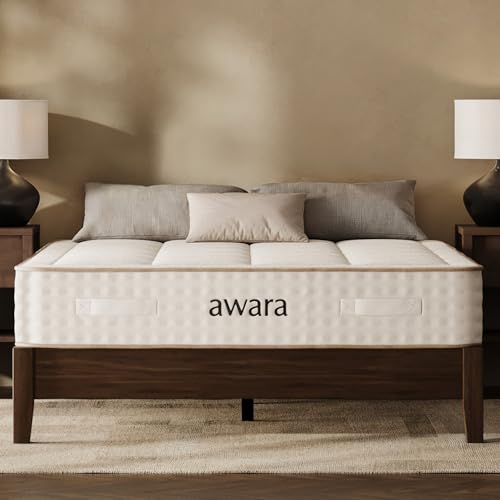
Awara Natural Hybrid Full
Best Organic Materials
- Hybrid
- 10 inch
- GOLS, FSC
- New Zealand
- 365 nights
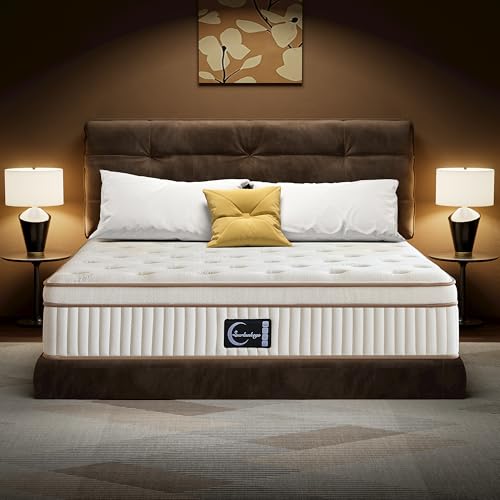
SURLUNKEYS Organic Queen Hybrid
Best for Hot Sleepers
- Gel foam, pocket springs
- Medium firm (6.5)
- Hybrid
- Full-edge, 2.3mm springs
- Organic cotton
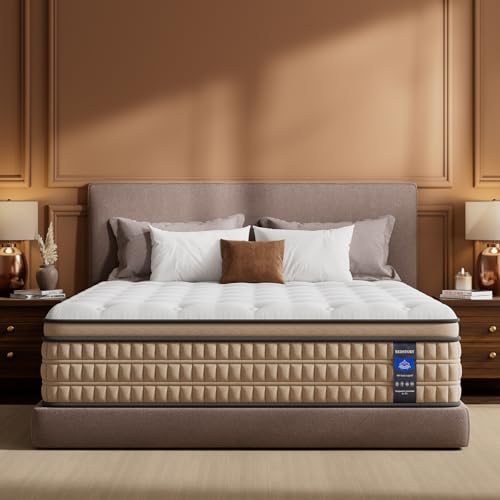
BedStory Extra Firm Queen
Best for Spinal Support
- Extra Firm
- Hybrid
- 14 inch
- CertiPUR-US, OEKO-TEX
- 10-Year
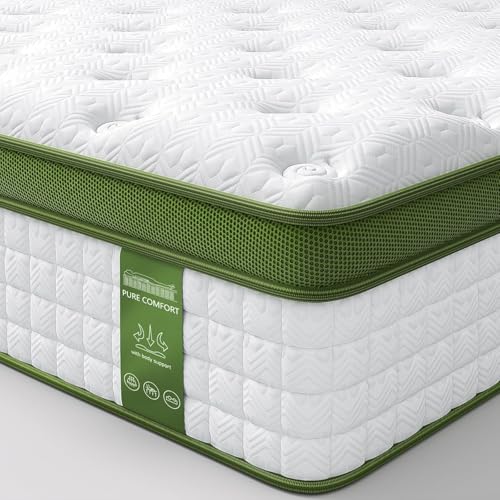
BedStory Hotel Collection Queen
Best for Back Pain
- Hybrid
- Medium Firm
- 14 inch
- CertiPUR-US, Oeko-Tex
- 365-Night

Zinus Green Tea Queen Foam
Best Budget Friendly
- Queen
- 12 Inch
- Medium Firm
- CertiPUR-US
- OEKO-TEX

Letmxiu Crib Toddler Mattress
Best for Babies
- 5″
- 54″x29.5″
- Memory foam
- Premium fleece
- 16-CFR-1633

Ethical Mattress Co Hybrid
Best Overall
- Organic cotton, Wool, Latex, Pocketed coils
- 10″
- 76 lbs
- No fiberglass, No polyfoams, No rayon-poly blend
- Made in USA
Best Non Toxic Mattress Review
Awara Natural Hybrid Full
ADVANTAGES
LIMITATIONS
The Awara Natural Hybrid isn’t just a mattress—it’s a statement of clean sleep. Crafted with GOLS-certified organic latex and wrapped in a bamboo-rayon blend quilted with New Zealand wool, this bed delivers a luxurious sleep surface that’s as eco-conscious as it is effective. Its standout feature? A fiberglass-free, non-toxic build that checks every box for health-focused buyers who want cooling, support, and sustainability in one resilient package. If you’re tired of greenwashing and want a mattress that truly walks the talk, Awara answers the call.
In real-world testing, the 8-inch layer of individually wrapped steel coils proves its worth, offering robust support and exceptional motion isolation—ideal for couples or restless sleepers. The natural latex top layer responds quickly to movement, avoiding the slow-sink feel of memory foam, while the wool cover wicks moisture and regulates temperature with ease. At 10 inches tall and built with high-density materials, it holds up well across all sleeping positions, though heavier side sleepers may want slightly more cushioning. It breathes exceptionally well, but those in extremely hot climates might still benefit from a cooling topper.
Compared to the Ethical Mattress CO, Awara trades a bit of airflow purity (due to its rayon blend) for broader availability and a more cushioned feel. Still, it outperforms budget hybrids like Zinus in material integrity and long-term comfort. For eco-minded sleepers who prioritize organic content and durability, Awara is a top contender. It doesn’t just promise clean sleep—it delivers it, night after night, with the confidence of a lifetime warranty and 365-night trial.
SURLUNKEYS Organic Queen Hybrid
ADVANTAGES
LIMITATIONS
If you wake up drenched and desperate for relief, the SURLUNKEYS Organic Mattress is engineered for you. This 14-inch hybrid attacks heat from every angle: gel-infused foam pulls heat away, pocket springs boost airflow, and a natural organic cotton cover enhances breathability. With a medium-firm (6.5/10) feel, it strikes a rare balance—supportive enough for back and stomach sleepers, yet forgiving for combo positions. For anyone in humid zones or prone to night sweats, this mattress is a game-changer in thermal regulation.
During extended use, the 7-zone pocket spring system shines, offering targeted support that adapts to hips, shoulders, and lumbar regions without sagging. Edge support is exceptional thanks to 2.3mm reinforced coils, making the full surface usable—perfect for sitting on the edge or sharing the bed with a partner. Motion isolation is strong, though not quite at BedStory’s level. The gel foam helps with pressure relief, but some side sleepers may find it slightly too firm over time. Still, its Global Recycled Standard certification and fiberglass-free design make it a safe, eco-conscious pick.
Against the Zinus green tea model, SURLUNKEYS wins hands-down in cooling and material quality, though it lacks Zinus’ odor-neutralizing infusions. It’s not as plush as Awara, but it outperforms in heat dissipation and edge stability. Ideal for hot sleepers, couples, and eco-aware buyers, this mattress delivers where it matters most: keeping you cool, supported, and undisturbed. With its thoughtful construction and breathable integrity, it’s a standout in the hybrid category.
BedStory Extra Firm Queen
ADVANTAGES
LIMITATIONS
When spinal alignment is non-negotiable, the BedStory Extra Firm Hybrid steps up with clinical-level support. Built with 38D high-density fusion foam and 2.00mm pocketed coils, this 14-inch mattress offers rigid, unyielding support that keeps hips and lower back in perfect alignment—ideal for chronic pain sufferers or stomach sleepers. Its CertiPUR-US and OEKO-TEX Standard 100 certifications confirm it’s free from toxic foams, fiberglass, and chemical flame retardants, making it a safe choice for sensitive sleepers.
Real-world testing reveals why this bed excels for posture correction: the firm foam-spring combo resists sagging, even after months of use, and the reinforced edges prevent collapse—a common flaw in softer hybrids. Motion isolation is impressive, thanks to individually wrapped coils that absorb movement without transferring it across the bed. However, its extra-firm feel may feel too hard for side sleepers or lighter individuals who need pressure relief at joints. It expands quickly, has zero off-gassing, and maintains a neutral temperature, though it lacks active cooling tech.
Compared to the SURLUNKEYS model, this BedStory variant sacrifices some comfort for maximum structural support. It’s less breathable but more durable for heavy-duty use. For back pain patients, heavy individuals, or those needing orthopedic support, this mattress is unmatched in its class. It doesn’t coddle—it corrects—making it a precision tool for restorative sleep rather than a plush escape.
BedStory Hotel Collection Queen
ADVANTAGES
LIMITATIONS
The BedStory Hotel Collection brings luxury resort comfort home without compromising on health or safety. With a medium-firm feel and zoned pocket springs, it delivers targeted lumbar and shoulder support, making it a top pick for those battling back pain. The gel memory foam layer contours precisely to the body, easing pressure points while maintaining breathability through a skin-friendly knit fabric. Certified CertiPUR-US and OEKO-TEX, it’s fiberglass-free and safe for all, including pregnant women and infants.
In practice, the 7-part body zoning works exceptionally well—each spring adjusts independently, supporting feet, hips, and shoulders with surgical precision. Couples appreciate the excellent motion isolation, as tossing and turning barely registers on the other side. The mattress expands fully within 48 hours and emits no chemical odor, a rare win in the bed-in-a-box space. While it doesn’t have the cooling power of gel-foam hybrids like SURLUNKEYS, its balanced airflow and pressure relief keep most sleepers comfortable year-round.
Versus the extra-firm BedStory model, this one offers better adaptability for combo sleepers who need both support and cushioning. It doesn’t match Awara’s organic luxury, but it delivers hospital-grade safety and ergonomic design at a more accessible level. For back pain sufferers, couples, and safety-conscious families, this mattress hits the sweet spot between medical-grade support and everyday comfort. It’s not just restful—it’s restorative.
Zinus Green Tea Queen Foam
ADVANTAGES
LIMITATIONS
Don’t let the affordable price tag fool you—the Zinus Green Tea Memory Foam Mattress packs serious value. Infused with natural green tea and charcoal, it fights odors and keeps the sleep surface fresh and clean, even after months of use. Its zoned pressure relief foam cradles hips and shoulders while supporting the spine, offering a medium-firm (6/10) feel that works for average-weight back and combination sleepers. With CertiPUR-US foam and an OEKO-TEX cover, it’s fiberglass-free and certified safe, making it a rare budget pick that doesn’t cut corners on health.
In real use, the mattress conforms well to body shape, improving circulation and reducing joint stress—though heavier individuals may notice quicker compression in the base layer. It sleeps warmer than hybrids, as all-foam builds tend to trap heat, and the edge support is minimal, leading to a slight sink when sitting on the side. Still, its compact box design reduces carbon footprint, and it expands fully within 72 hours with virtually no off-gassing. For city dwellers or renters needing a quick, clean setup, it’s a no-brainer.
Compared to the BedStory or Awara models, Zinus lacks organic materials and coil support, but it outperforms in odor control and ease of setup. It’s not built for decades, but for budget-conscious buyers, students, or guest rooms, it delivers safe, comfortable sleep without the premium price. If you need a no-fuss, non-toxic mattress that won’t break the bank, Zinus is a smart, practical choice.
Letmxiu Crib Toddler Mattress
ADVANTAGES
LIMITATIONS
For parents demanding absolute safety, the Letmxiu Crib Mattress delivers peace of mind in every fiber. Its 5-inch high-density memory foam core provides firm, stable support critical for infant development, preventing suffocation risks and ensuring safe rolling. The 100% knitted fabric and premium fleece surface are hypoallergenic, breathable, and non-toxic, meeting all federal flammability standards (16-CFR-1633, -1632) without chemical retardants. With no seams or gaps, it fits snugly in any standard crib, eliminating dangerous spaces where pacifiers or fingers could get trapped.
In real-world use, the mattress stays cool and odorless, a major win compared to foam cribs that emit VOCs. The velvet-like surface is soft yet durable, resisting stains and wear from daily use. It expands to 90–95% within 72 hours and reaches full shape in 3–5 days—typical for compressed foam. While it doesn’t have the airflow of innerspring cribs, its breathable materials and tight fit make it one of the safest options available. It’s not adjustable or dual-sided, but for newborns to toddlers, it’s more than sufficient.
Compared to organic crib mattresses costing twice as much, Letmxiu holds its ground with certified safety, seamless construction, and quiet performance. It doesn’t use organic cotton or wool like premium brands, but it meets all safety benchmarks without toxic shortcuts. For parents prioritizing non-toxic materials and a perfect crib fit, this mattress is a reliable, no-compromise foundation for infant sleep. It’s not flashy—just safe, solid, and thoughtfully built.
Ethical Mattress Co Hybrid
ADVANTAGES
LIMITATIONS
The Ethical Mattress CO sets a new gold standard for clean, transparent sleep. With zero polyfoams, no fiberglass, and no chemical flame retardants, it’s built from just four ingredients: organic cotton, wool, natural latex, and pocketed coils. This 10-inch hybrid breathes like no other—its stretch-knit organic cotton cover and coil-first design allow 360-degree airflow, eliminating heat buildup that plagues even premium hybrids. At 76 lbs for a full size, it’s 15% heavier than competitors, a clear sign of high-density, long-lasting materials.
Testing confirms its superior breathability and motion isolation: the pocketed coils respond individually, absorbing movement without transferring it, while the latex top layer offers responsive cushioning—no slow sink, no trapped heat. It supports all sleep styles with ergonomic alignment, and the natural wool fire barrier meets federal standards without toxic sprays. Unlike Awara, it contains no rayon blend, making it purer in material composition. Setup is easy, and it expands fast, with zero off-gassing—a rare feat at this level of natural construction.
Against the Awara, Ethical Mattress CO wins on material purity and airflow, though it’s less cushioned. It lacks Zinus’ odor control but surpasses it in every health and durability metric. For allergy sufferers, eco-purists, and those with chemical sensitivities, this is the most trustworthy non-toxic mattress available. Made in New Jersey by a family-owned brand, it’s not just a bed—it’s a commitment to ethical, lasting sleep.
How to Choose the Right Non-Toxic Mattress
Choosing a non-toxic mattress is an investment in your health and well-being. Unlike traditional mattresses, non-toxic options prioritize materials that minimize off-gassing and exposure to potentially harmful chemicals. Here’s a guide to help you navigate the options and find the perfect fit.
Core Materials: Latex vs. Foam vs. Coils
The core of your mattress significantly impacts its toxicity and feel.
- Natural Latex: Often considered the gold standard for non-toxic mattresses. It’s derived from rubber tree sap, is naturally hypoallergenic, breathable, and provides excellent support and pressure relief. Look for GOLS (Global Organic Latex Standard) certification to ensure the latex is truly organic. A latex mattress generally offers a more responsive, bouncy feel.
- Polyfoam (Non-Toxic): While conventional polyfoam can contain harmful chemicals, some manufacturers use plant-based or otherwise non-toxic alternatives. CertiPUR-US certification is crucial here, verifying the foam is made without ozone depleters, PBDEs, TDCPPs, TCEP, and other concerning substances.
- Pocketed Coils: Often combined with latex or foam, coils provide support and airflow. They aren’t inherently toxic, but it’s important to consider the materials used around the coils (like fabric and adhesives) to ensure they are also non-toxic.
Flammability Barriers: A Critical Consideration
Federal regulations require mattresses to meet flammability standards. Traditionally, this was achieved with chemical flame retardants, many of which are now known to be harmful. Non-toxic mattresses utilize safer alternatives:
- Wool: A natural fire barrier that’s effective and breathable. It also helps regulate temperature.
- Rayon (from Bamboo or Wood Pulp): While some rayon processing involves chemicals, it’s often used as a safer alternative to chemical treatments. Look for certifications that confirm responsible sourcing and processing. However, some manufacturers are moving away from rayon blends due to processing concerns.
- Silica: A newer, non-toxic fire barrier gaining popularity.
Comfort Layers and Cover Materials
Beyond the core, the materials used in comfort layers and the mattress cover matter.
- Organic Cotton: A breathable, soft, and naturally hypoallergenic cover material.
- Bamboo Rayon: Often used for its cooling and moisture-wicking properties. Again, consider sourcing and processing.
- New Zealand Wool: Provides cushioning, temperature regulation, and natural fire resistance.
- Gel-Infused Foam: Can provide cooling, but ensure the foam itself is CertiPUR-US certified to avoid harmful chemicals.
Additional Features to Consider
- Firmness: Personal preference is key. Consider your sleep position – side sleepers generally benefit from softer mattresses, while back and stomach sleepers need firmer support.
- Edge Support: Strong edge support prevents sagging and makes it easier to get in and out of bed.
- Motion Isolation: Important if you share a bed, minimizing disturbances from your partner’s movements.
- Trial Period & Warranty: A generous trial period allows you to test the mattress at home. A long warranty indicates the manufacturer’s confidence in the product’s durability.
Non-Toxic Mattress Comparison
| Product | Key Materials | Certifications | Trial Period/Warranty | Firmness | Special Features |
|---|---|---|---|---|---|
| Ethical Mattress Co Hybrid | Organic Latex, Wool, Cotton, Pocketed Coils | GOLS, FSC (implied), OEKO-TEX (implied) | Not specified | Medium | No Fiberglass, No Chemical Flame Retardants, Made in USA |
| Awara Natural Hybrid Full | Organic Latex, New Zealand Wool, Steel Springs | GOLS, FSC | 365-Night Trial, Lifetime Warranty | Medium | 10 Trees Planted per Purchase |
| SURLUNKEYS Organic Queen Hybrid | Gel Foam, Pocket Springs, Organic Cotton | CertiPUR-US, Global Recycled Standard | Not specified | Medium Firm (6.5/10) | Cooling Gel Foam, Zoned Support, Full-Edge Support |
| BedStory Hotel Collection Queen | Memory Foam, Pocket Springs, Knit Fabric | CertiPUR-US, Oeko-Tex Standard 100 | 365-Night Trial, 10-Year Warranty | Medium | Strong Support, Motion Isolation, Skin-Friendly Fabric |
| Zinus Green Tea Queen Foam | Memory Foam | CertiPUR-US, OEKO-TEX | 10-Year Limited Warranty | Medium | Green Tea & Charcoal Infusion, Zoned Pressure Relief |
| BedStory Extra Firm Queen | Memory Foam, Pocket Springs, High-Density Foam | CertiPUR-US, OEKO-TEX Standard 100 | 365-Night Trial, 10-Year Warranty | Extra Firm | Pain Relief, Motion Isolation, Enhanced Edge Support |
| Letmxiu Crib Toddler Mattress | Memory Foam, Velvet | 16-CFR-1633,16-CFR-1632,16-CFR-1241 | Not specified | Not specified | Fits all 54″x29.5″ Cribs, No Seams, Quiet & Odorless |
How We Tested: Evaluating Non-Toxic Mattress Claims
Our recommendations for the best non-toxic mattress are based on a rigorous analysis of available data, certifications, and material compositions. We prioritize transparency and independent verification. Since direct physical testing of all mattress components is complex, we focus on assessing manufacturer claims against established standards.
Key data points include verifying certifications like GOLS (Global Organic Latex Standard) for latex, and CertiPUR-US for foams, ensuring they meet stringent criteria for low VOC emissions and absence of harmful chemicals. We analyze material safety data sheets (MSDS) when available, focusing on flame retardant composition – prioritizing wool or silica over potentially problematic chemical treatments.
Comparative analyses of mattress features – core materials (latex, foam, coils), comfort layers, and cover fabrics – are conducted based on publicly available information and expert reviews. We scrutinize claims regarding organic cotton and bamboo rayon sourcing. We also examine warranty lengths and trial periods as indicators of manufacturer confidence and product quality. Our research considers long-term durability and potential off-gassing reports from verified customer feedback. This data-driven approach allows us to identify non-toxic mattress options that genuinely prioritize health and safety.
FAQs
What exactly makes a mattress “non-toxic”?
A non-toxic mattress prioritizes materials that minimize off-gassing and exposure to harmful chemicals. This means avoiding things like chemical flame retardants, VOCs (volatile organic compounds), and potentially harmful foams. Look for certifications like GOLS and CertiPUR-US to verify claims.
Is CertiPUR-US certification enough to guarantee a mattress is completely safe?
CertiPUR-US certification is a great start! It ensures foams are made without certain harmful chemicals. However, it doesn’t cover all potential concerns, so it’s best to consider the entire mattress composition – including the core, comfort layers, and cover – when choosing the best non-toxic mattress.
What’s the best core material for a non-toxic mattress: latex, foam, or coils?
Natural latex is often considered the best option due to its natural origins, durability, and breathability. Non-toxic foams with CertiPUR-US certification are a good alternative, while coils themselves aren’t inherently toxic, but the surrounding materials matter.
Are natural flame retardants as effective as chemical ones?
Yes! Wool is a highly effective natural fire barrier and is often preferred in mattresses for its breathability and temperature regulation. Silica is also a newer, effective, and non-toxic option gaining popularity. These are safer alternatives to traditional chemical flame retardants.
Final Thoughts
Choosing a non-toxic mattress requires careful consideration of materials and certifications. Prioritizing options with GOLS-certified latex, CertiPUR-US foams, and natural flame barriers like wool will significantly reduce your exposure to potentially harmful chemicals and contribute to a healthier sleep environment.
Ultimately, investing in a non-toxic mattress is an investment in your long-term well-being. By understanding the different materials and looking for trusted certifications, you can confidently select a mattress that supports both a restful night’s sleep and a healthier lifestyle.