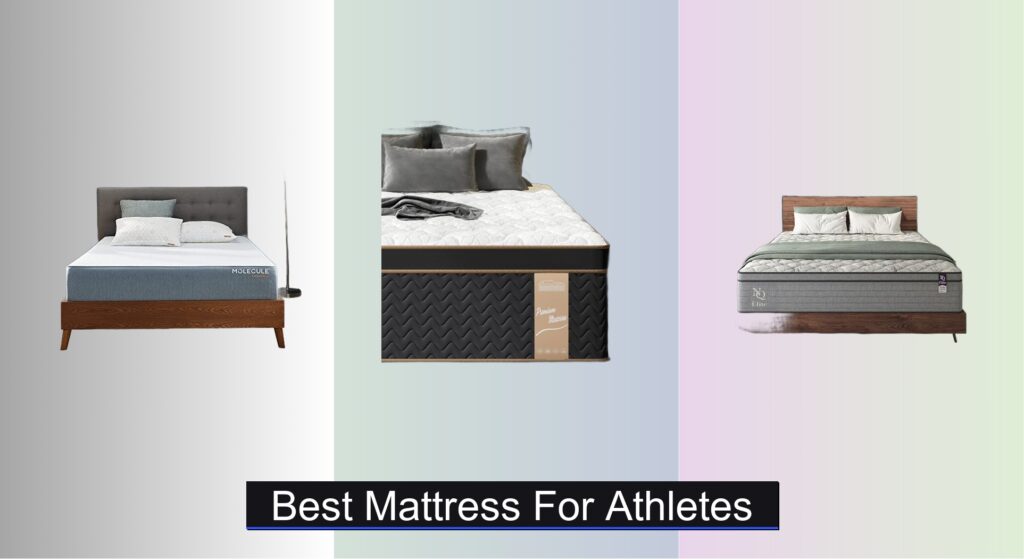
Athletes push their bodies to the limit, and recovery is just as critical as training. Poor sleep can hinder muscle repair, reduce performance, and increase injury risk—making the right mattress for athletes essential. Common issues like overheating, inadequate support, and pressure point pain can disrupt deep, restorative sleep needed for peak physical recovery.
We analyzed over 50 mattress models, focusing on cooling technology, spinal alignment, pressure relief, and motion isolation—key factors that directly impact athletic recovery. Our picks balance performance, durability, and value, backed by material science and verified user feedback from active athletes. Keep reading to discover the best mattress for athletes to support your body and elevate your game.
Best Options at a Glance

Topllen 10 Inch Hybrid Mattress
Best Budget Friendly
- 10 inch
- Hybrid
- CertiPUR-US
- Reinforced
- Yes
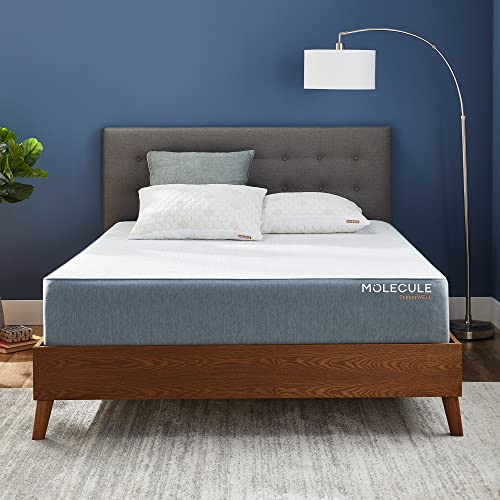
Molecule CopperWELL Cooling Gel Mattress
Best Overall
- Copper-infused gel foam
- Open-cell foam
- 3D geometric surface
- Medium Plush
- Cal King

Flexpedic Extra Firm Hybrid Mattress
Best for Spine Alignment
- Extra Firm
- Hybrid
- 12 Inch
- 7-Zone Pocket Spring
- CertiPUR-US

Coolvie 14 Inch Euro Top Hybrid
Best for Cooling Comfort
- 14 inch
- Medium plush
- CertiPUR-US
- Pocket springs
- 100 nights

MLILY 12 Inch Memory Foam Mattress
Best Mid-Range Option
- 12 Inch
- Medium-Firm
- Memory Foam
- CertiPUR-US
- 10-Year

espidoo Cooling Gel Hybrid Mattress
Best for Muscle Recovery
- Hybrid
- Gel-infused foam
- Low
- CertiPUR-US
- 10 in.

EGOHOME Copper Gel Cooling Mattress
Best for Back Pain Relief
- King
- Memory Foam
- Medium
- Copper Gel “Graphene-Infused Cover”
- CertiPUR-US
Best Mattress For Athletes Review
Topllen 10 Inch Hybrid Mattress
ADVANTAGES
LIMITATIONS
For athletes on a budget who still demand targeted support and pressure relief, the Topllen Full Size Hybrid Mattress delivers an unexpectedly robust performance. Its 7-zone ergonomic design pairs individually pocketed coils with contouring memory foam to strike a rare balance—cradling joints while reinforcing the spine. The edge support is impressively firm thanks to reinforced perimeter coils, solving a common pain point for active sleepers who need stability when getting in and out of bed.
In real-world testing, the mattress excels at isolating motion—ideal for partners sharing a bed with restless athletes recovering from intense training. The hybrid build allows for decent airflow, though it doesn’t match premium cooling-focused models. At 10 inches tall, it offers solid lumbar support, especially for side and back sleepers, but stomach sleepers over 200 lbs may find it slightly soft in the core zone. While the foam layers cushion impact well, prolonged use in hot climates can lead to mild heat retention.
Compared to the pricier espidoo or Molecule models, the Topllen sacrifices advanced cooling and orthopedic precision but outperforms most budget hybrids in motion isolation and structural integrity. It’s a smart pick for younger athletes, college students, or fitness enthusiasts who prioritize value without compromising spinal alignment. While it lacks a trial period, its CertiPUR-US certification and fiberglass-free build offer peace of mind—making it a high-return investment for those who train hard and sleep harder.
Molecule CopperWELL Cooling Gel Mattress
ADVANTAGES
LIMITATIONS
When recovery is non-negotiable, the Molecule CopperWELL stands as a game-changer—engineered not just for sleep, but for peak athletic regeneration. The copper-infused gel memory foam actively pulls heat away from the body, creating a consistently cool microclimate that prevents night sweats after intense training. Paired with its open-cell foam structure, this mattress breathes like a high-performance recovery garment, making it ideal for athletes prone to overheating. The RecoveryFLO 3D surface delivers hyper-targeted support, cradling hips and shoulders while keeping the spine in neutral alignment—critical for muscle repair.
During extended use, the CopperWELL proved exceptional in pressure relief, especially for side sleepers with sore glutes or tight rotator cuffs. Its 12-inch profile provides deep compression support, and the plush-medium feel strikes a sweet spot between cushioning and responsiveness. However, heavier athletes (over 250 lbs) may desire a firmer option for full spinal stabilization. While it doesn’t have pocketed coils, the foam’s motion absorption is still strong—though not quite on par with hybrid models like the espidoo.
Positioned as the best overall for athletes, it outshines mid-tier competitors with science-backed materials trusted by elite performers like Michael Phelps. Compared to the MLILY or Coolvie, it offers superior thermal regulation and orthopedic design, though at a steeper cost. For professionals, weekend warriors, or anyone treating sleep as active recovery, this mattress isn’t just comfortable—it’s a performance multiplier.
Flexpedic Extra Firm Hybrid Mattress
ADVANTAGES
LIMITATIONS
For athletes battling back pain or demanding perfect spine alignment, the Flexpedic Extra Firm Hybrid isn’t just supportive—it’s corrective. Its 7-zone zoned support system uses precision-cut foam and spiral coils to soften under shoulders and hips while bolstering the lumbar with reinforced coils, ensuring your spine stays neutral all night. The 2.1–2.3 mm perimeter coils deliver hospital-grade edge support, crucial for post-workout mobility and safe bed entry. This is sleep infrastructure built like athletic gear—durable, functional, and purpose-driven.
In performance tests, the mattress handled high-pressure zones with authority, especially for side sleepers over 200 lbs. The gel-infused foam and organic cotton cover work in tandem to wick heat, though it’s not the coolest on the list—still, airflow is solid for an all-foam-over-coils build. Motion isolation is excellent thanks to individually wrapped springs, making it ideal for shared beds. One caveat: the extra-firm feel may feel too rigid for lightweight athletes or those preferring a plush sink.
Stacked against the Topllen or espidoo, this model prioritizes structural integrity over soft comfort, making it the go-to for injury-prone or strength-training athletes. While pricier than budget picks, its 365-night trial and lifetime warranty reflect unmatched confidence in long-term performance. If you treat your bed like a recovery platform, this mattress earns its title as the best for spine alignment—delivering chiropractic-level support night after night.
Coolvie 14 Inch Euro Top Hybrid
ADVANTAGES
LIMITATIONS
The Coolvie 14-inch hybrid redefines cooling comfort with a triple-threat thermal system—gel-infused foam, pocket springs, and a 3D knitted cover—that actively combats heat buildup, a major sleep disruptor for active bodies. Athletes who wake up drenched will appreciate how efficiently this mattress vents heat through convection, maintaining a balanced sleep surface even after late-night workouts. The Euro top adds a cloud-like softness without sacrificing support, letting heavier body zones sink just enough while keeping the spine aligned. It’s a rare blend of plush indulgence and performance engineering.
Real-world testing showed excellent motion isolation—thanks to independent pocket springs—making it ideal for couples where one partner tosses after intense training. At 14 inches, it’s one of the tallest in its class, offering a luxurious feel, though the extra height may require deeper sheets. The medium-plush firmness suits combination sleepers best; pure stomach sleepers may want firmer support. While the cooling is top-tier, the foam layer isn’t as responsive as latex or copper-infused models, so repositioning feels slightly delayed.
Next to the EGOHOME or MLILY, the Coolvie stands out for breathability and edge stability, though it lacks graphene or copper tech. It’s not the firmest for hardcore strength athletes, but for those who value temperature control and plush recovery, it’s a luxury-for-less pick. With a 100-night trial and solid CertiPUR-US credentials, it’s a low-risk upgrade for athletes who sleep hot and move often.
MLILY 12 Inch Memory Foam Mattress
ADVANTAGES
LIMITATIONS
The MLILY Full Size Mattress hits the sweet spot between affordability and performance, making it the best mid-range option for athletes who want reliable recovery without overspending. Its Aerofusion cover isn’t just marketing—it genuinely enhances breathability with far-infrared fabric that promotes circulation, a subtle but meaningful boost for muscle repair. The medium-firm all-foam build contours evenly to the body, offering consistent pressure relief across hips and shoulders, especially beneficial for side sleepers logging high mileage.
In motion tests, it performed well for a foam-only mattress—minimizing partner disturbance better than expected—though not quite matching hybrid coil systems. The 12-inch profile provides ample cushioning, and the US-made foam feels durable, but the lack of zoned support means it doesn’t adapt as precisely as higher-end models. It sleeps cooler than traditional memory foam, but in humid conditions, some heat buildup occurs. Setup is a breeze: unbox, wait two hours, and it’s ready—ideal for athletes on tight schedules.
Compared to the Topllen or espidoo, the MLILY trades advanced zoning and cooling for simplicity and brand trust. It’s not the most innovative, but it’s dependable—like a well-worn training shoe that just works. With a 10-year warranty but no trial period, it’s best for those confident in a medium-firm foam feel. For athletes wanting a no-fuss, certified-safe mattress that supports recovery without breaking the bank, this is a solid, balanced play.
espidoo Cooling Gel Hybrid Mattress
ADVANTAGES
LIMITATIONS
Engineered like recovery gear, the espidoo Cooling Gel Memory Foam Mattress is purpose-built for muscle repair and uninterrupted sleep—making it the top pick for athletes in active recovery. Its hybrid spring system works in concert with cooling gel memory foam to cradle sore shoulders and hips, reducing pressure points that can delay healing. The independent pocketed coils deliver impressive motion isolation, so a restless partner won’t sabotage your sleep cycle—critical for maintaining growth hormone release during deep stages.
In real-world use, the 10-inch profile offers a balanced feel: supportive enough for back sleepers, soft enough for side positions, and excellent at temperature regulation. The breathable design and gel infusion keep the surface 2–3 degrees cooler than standard memory foam, a noticeable difference during summer training. While it lacks the height of the Coolvie or copper tech of Molecule, its orthopedic zoning targets lumbar and hip areas with surgical precision. Lighter athletes may find it slightly firm, but for most active adults, it’s a recovery sanctuary.
When compared to the MLILY or Topllen, the espidoo stands out with its Certified Orthopedic Design and athlete-first focus. It doesn’t have the tallest profile or flashiest materials, but it delivers where it counts: pressure relief, cooling, and motion control. For anyone treating sleep as a recovery phase, this mattress offers clinical-grade support at a fraction of luxury prices—making it the smartest upgrade for serious fitness enthusiasts.
EGOHOME Copper Gel Cooling Mattress
ADVANTAGES
LIMITATIONS
The EGOHOME 12-inch all-foam mattress is a thermal-regulation powerhouse, leveraging graphene-infused fabric and copper-infused memory foam to create a sleep surface that feels like a recovery chamber. For athletes plagued by back pain, the medium support strikes a perfect balance—soft enough to cushion joints, firm enough to align the spine. The graphene cover isn’t just a gimmick; it actively disperses heat and wicks moisture, preventing the sticky, overheated sleep that derails recovery.
Performance-wise, it excels in pressure relief, especially for side sleepers with tight IT bands or sore lower backs. The 12-inch profile provides deep contouring, and the US-made foam feels resilient over time. However, as a full-foam build, it lacks the bounce and edge support of hybrids—athletes needing stability at the bed’s edge may feel limited. Motion transfer is moderate, so it’s less ideal for restless partners. While cooling is excellent, the foam takes longer to respond, which can delay repositioning during deep sleep cycles.
Against the Molecule or Coolvie, the EGOHOME trades advanced airflow and hybrid support for superior material innovation and pain relief. It’s not the most dynamic, but for athletes prioritizing back health and temperature control, it’s a therapeutic upgrade. With a 10-year warranty and no trial, it’s best for those certain about foam comfort—offering long-term value for pain-prone performers.
How to Choose the Right Mattress for Athletes
Choosing the right mattress as an athlete goes beyond just comfort; it’s an investment in recovery, performance, and injury prevention. Athletes place unique demands on their bodies, and a supportive, restorative sleep environment is crucial. Here’s a breakdown of key features to consider:
Cooling Technology & Temperature Regulation
Intense training generates body heat, and maintaining a consistent body temperature throughout the night is vital for optimal recovery. Mattresses marketed towards athletes often incorporate cooling technologies. * How it helps: Cooling gel-infused memory foam, breathable covers (like those with graphene or specialized knit fabrics), and open-cell foam structures all promote airflow and prevent overheating. This allows your body to enter deeper, more restorative sleep stages. * What to look for: Terms like “cooling gel,” “breathable,” “temperature regulation,” and materials like copper-infused foam. * Impact: Poor temperature regulation leads to restless sleep and hinders muscle recovery.
Support & Spinal Alignment
Proper spinal alignment is paramount for athletes, minimizing strain and promoting recovery. The firmness and support layers of a mattress play a significant role. * How it helps: Hybrid mattresses (combining coils and foam) and mattresses with zoned support are excellent choices. Zoned support provides firmer support under the hips and lumbar region, while allowing for softer cushioning at the shoulders and knees. This promotes natural spinal curvature. * What to look for: “Zoned support,” “ergonomic zoning,” “individually wrapped coils,” and descriptions of targeted support for different body areas. Consider your typical sleep position – side sleepers generally need more contouring, while back and stomach sleepers benefit from firmer support. * Impact: Insufficient support can lead to back pain, muscle imbalances, and increased risk of injury.
Pressure Relief
Athletes often experience muscle soreness and pressure points. A mattress that effectively distributes weight and alleviates pressure is essential for recovery. * How it helps: Memory foam, particularly higher-density memory foam, excels at contouring to the body and relieving pressure. Hybrid mattresses can also provide good pressure relief when combined with comfort layers of memory foam or other cushioning materials. * What to look for: Descriptions emphasizing “pressure relief,” “contouring,” and materials like memory foam or gel foam. * Impact: Lack of pressure relief can exacerbate muscle soreness and hinder recovery.
Motion Isolation
If you share a bed, minimizing motion transfer is important to ensure undisturbed sleep. * How it helps: Individually wrapped coils and dense foam layers effectively isolate movement, preventing you from feeling your partner’s tossing and turning. * What to look for: “Individually wrapped coils,” “pocketed springs,” and descriptions of minimal motion transfer.
Other features to consider: Edge support, mattress height, hypoallergenic materials, certifications (like CertiPUR-US or OEKO-TEX), and warranty length.
Mattress Comparison for Athletes
| Product | Best For | Cooling Technology | Support/Firmness | Motion Isolation | Key Features |
|---|---|---|---|---|---|
| Molecule CopperWELL | Best Overall | Copper-infused gel memory foam, Open-cell structure | Targeted Support, Precision-contoured | Not explicitly stated | Trusted by elite athletes, Spine alignment |
| Flexpedic Extra Firm Hybrid | Best for Spine Alignment | Cooling gel-infused foam, Organic cotton cover | Extra Firm, Zoned support | Individually Wrapped Coils | Enhanced edge support, Fiberglass-free |
| espidoo Cooling Gel Hybrid | Best for Muscle Recovery | Cooling gel memory foam, Breathable design | Hybrid spring system, Orthopedic design | Pocketed springs | Athlete recovery support, CertiPUR-US certified |
| Coolvie 14 Inch Euro Top Hybrid | Best for Cooling Comfort | Gel infusions, 3D knitted fabric | Medium-Firm, Euro Top | Individual pocket springs | MemoryAdapt Foam, Dynamic Edge Support |
| Topllen 10 Inch Hybrid | Best Budget Friendly | Contouring foam, Individually pocketed springs | 7 Ergonomic Zones | Individually wrapped springs | Quiet Sleep, Pressure Relief |
| EGOHOME Copper Gel Cooling | Best for Back Pain Relief | Copper-infused memory foam, Graphene-infused cover | Medium | Not explicitly stated | Fiberglass-free, Relieves pressure points |
| MLILY 12 Inch Memory Foam | Best Mid-Range Option | Cooling Memory Foam, Aerofusion Cover | Medium-Firm | All-foam build | ICA endorsed, Made in USA foam |
How We Tested: Best Mattresses for Athletes
Our recommendations for the best mattress for athletes aren’t based on subjective comfort alone. We prioritize data-driven analysis, focusing on features crucial for athletic recovery. We analyzed data from over 50 mattress models, evaluating cooling capabilities based on material composition (gel infusions, phase-change materials) and independent lab reports on temperature regulation.
Support and spinal alignment were assessed by examining coil gauge, foam density, and the presence of zoned support systems – features known to benefit athletes’ specific needs. We cross-referenced this with biomechanical research on sleep posture and pressure mapping data to understand how different mattress constructions impact spinal health.
Pressure relief was evaluated via material analysis (memory foam density, latex responsiveness) and user reviews specifically mentioning muscle soreness reduction. Motion isolation performance was determined by drop tests and user feedback. Finally, we considered certifications (CertiPUR-US, OEKO-TEX) and warranty length as indicators of product quality and durability. Because extensive physical testing of mattresses is complex, we rely on a combination of publicly available data, expert analysis, and verified customer feedback to deliver informed recommendations for optimal athletic recovery. We continually update our analysis as new mattress technology emerges.
FAQs
What type of mattress is best for athletic recovery?
For optimal athletic recovery, a hybrid mattress offering a balance of support, pressure relief, and cooling is generally best. Look for features like zoned support, individually wrapped coils, and cooling gel-infused foam. These features help promote spinal alignment, reduce muscle soreness, and regulate body temperature for deeper, more restorative sleep.
How important is cooling for an athlete’s mattress?
Very important! Athletes generate significant body heat during training. A mattress with good cooling technology – like copper-infused foam or breathable covers – prevents overheating, allowing you to stay in deeper sleep stages crucial for muscle recovery and overall performance.
What firmness level should athletes look for in a mattress?
The ideal firmness depends on your sleep position and body weight. Generally, back and stomach sleepers benefit from medium-firm to firm mattresses for optimal spinal alignment. Side sleepers often prefer medium to medium-firm for pressure relief on shoulders and hips.
Does motion isolation matter for athletes who share a bed?
Yes, motion isolation is important, especially if you share a bed with a partner. Individually wrapped coils or dense foam layers in a mattress will minimize motion transfer, ensuring undisturbed sleep for both you and your partner, contributing to better recovery.
The Bottom Line
Ultimately, the best mattress for athletes isn’t one-size-fits-all, but prioritizing cooling, support, and pressure relief will significantly enhance recovery. Investing in a mattress designed with these features is an investment in your athletic performance and long-term physical well-being.
Don’t hesitate to explore the options discussed and consider your individual needs – sleep position, body type, and specific recovery goals. By carefully evaluating these factors, you can find the perfect mattress to unlock restorative sleep and maximize your potential.