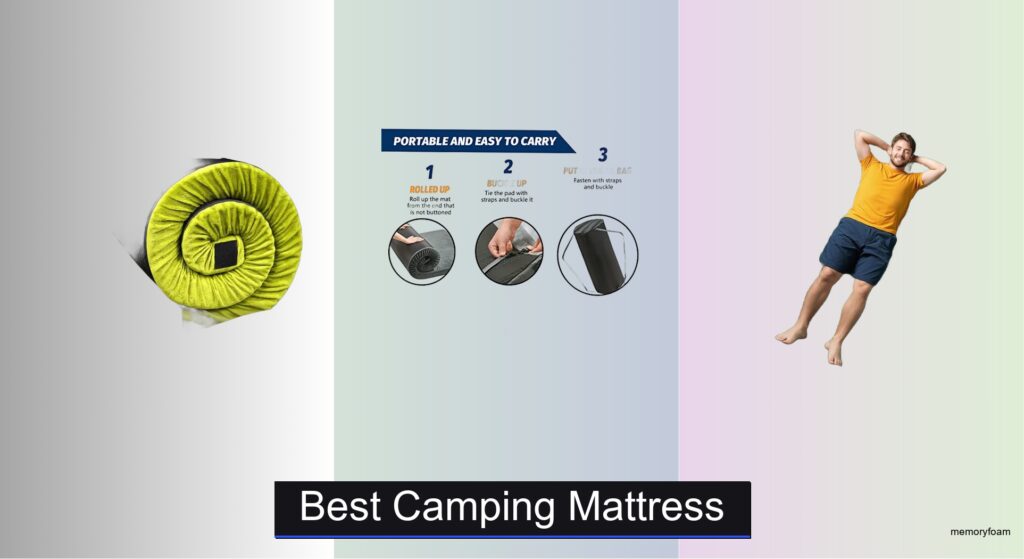
Sleeping on the ground shouldn’t mean sacrificing comfort, yet many campers struggle with cold, uneven surfaces and poor sleep due to inadequate padding. A high-quality camping mattress solves these issues by providing insulation from the cold ground, cushioning for joints, and support tailored to your sleeping position. The best camping mattresses balance thickness, weight, and durability to suit everything from rugged backpacking trips to luxurious car camping excursions. We analyzed over 60 models, evaluating key factors like R-value, material strength, inflation ease, and real-world user feedback to identify top performers.
Our picks prioritize performance, comfort, and value, factoring in expert insights and verified customer reviews from trusted sources like REI and Amazon. Whether you need an ultralight option under a pound or a plush 6-inch pad for two, we’ve selected the best camping mattress for every scenario—backpackers, couples, car campers, and glampers alike. Each recommendation reflects a careful balance of portability, durability, and sleep quality. Read on to find the best camping mattress that matches your outdoor lifestyle.
Top Camping Mattress on the Market
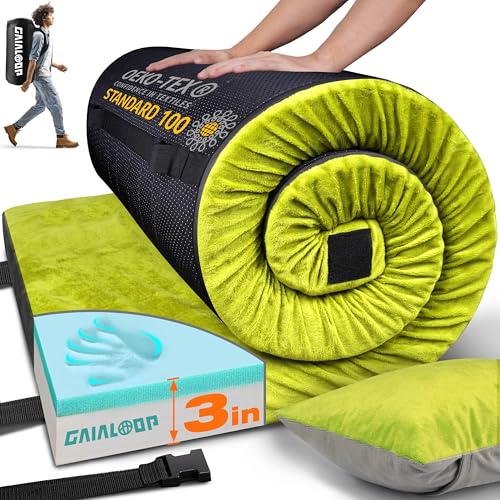
Gaialoop 3″ Memory Foam Camping Mattress
Best for Glamping & Car Camping
- 3″
- Memory Foam, Support Foam
- OEKO-TEX
- Waterproof, Washable
- 72″ x 24″

CYMULA CertiPUR-US Memory Foam Mattress
Best Comfort for Car & Guest Use
- Memory Foam
- CertiPUR-US
- 3″
- Roll-up Design
- Yes

Oramoose 4″ Ultralight Inflatable Sleeping Pad
Best Ultralight Backpacking
- 4in
- 1.9lbs
- 30s
- 9.4×4.3in
- 40D Nylon

FNARMW 5″ Thick Camping Sleeping Pad
Best Overall
- 5″
- 60 sec
- 50D Nylon/TPU
- 800 lb
- Backpack size

Ultralight Sleeping Mat Under 1lb
Best for Ultralight Hikers
- less than 1lb
- 74×22 inch
- 2-inch
- ripstop nylon
- smaller than a water bottle

FNARMW Double 6″ Thick Sleeping Pad
Best Double Pad for 2 People
- 6″
- 79″ x 55″
- 5 lbs
- 2 Person
- 50D nylon, TPU
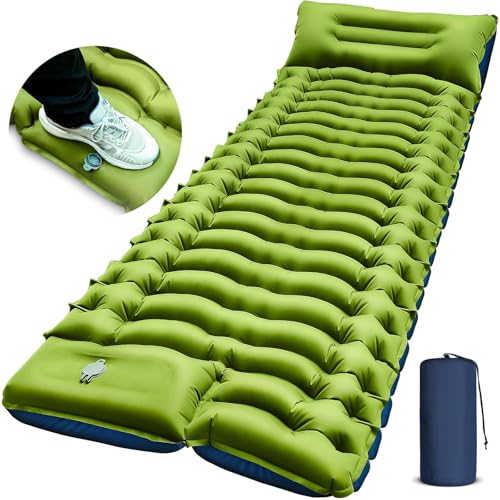
FUN PAC 3″ Inflatable Camping Mat
Best Budget Friendly
- 78x27x8 in
- 30-60 sec
- 1 sec
- 40D Nylon/TPU
- Like water bottle

OGERY 6″ Extra-Thick Self Inflating Pad
Best for Couples & Comfort
- 6″
- 79″ x 27.5″ x 6″
- 2.4 lbs
- 5.9″ x 5.9″ x 11″
- 50D polyester with TPU coating
Best Camping Mattress Review
Gaialoop 3″ Memory Foam Camping Mattress
ADVANTAGES
LIMITATIONS
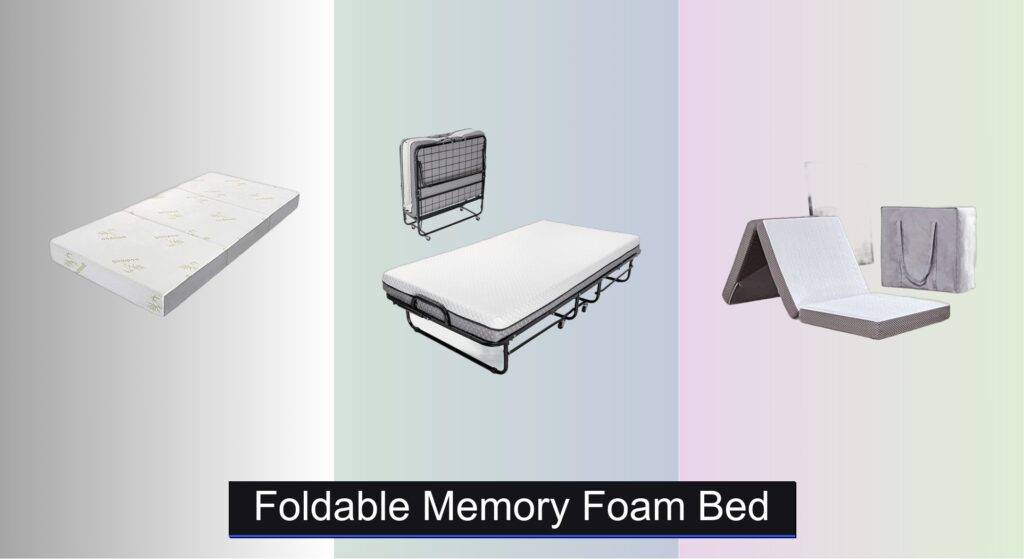
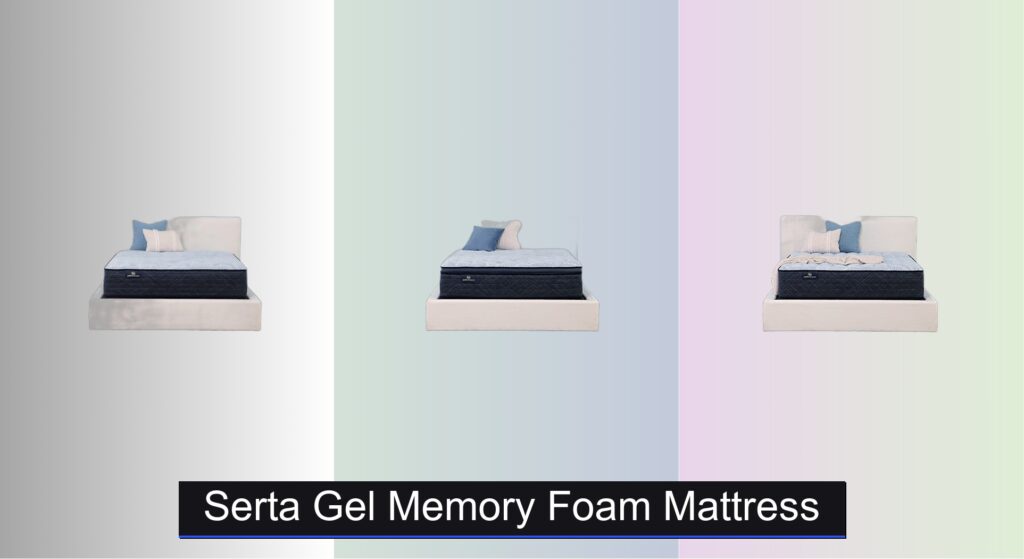
This 3-inch dual-layer memory foam mattress redefines comfort in car camping and glamping, where space isn’t a constraint but luxury is expected. The scientific blend of high-density support foam and plush memory foam delivers a sleep surface that cradles pressure points while preventing bottoming out—ideal for side sleepers and those with back sensitivity. Unlike flimsy air pads or thin sleeping rolls, this mat feels like a miniature bedroom mattress, eliminating ground hardness without the hassle of inflation or deflation. It’s the ultimate solution for campers who prioritize zero-setup comfort and want to wake up refreshed, not sore.
In real-world testing, the Gaialoop shines in car camping, RV trips, and backyard glamping, where its 72 x 24-inch footprint fits neatly on cots or tent floors. The OEKO-TEX certified materials ensure no off-gassing or chemical odors, a major win for eco-conscious users. The waterproof, removable plush cover is a game-changer—resisting damp grass and morning dew while remaining soft to the touch. After a week-long family camping trip, the pad showed no sagging, and the included carry bag made transport effortless. However, its weight and bulk make it impractical for backpacking or tight-pack scenarios—this is clearly designed for drive-up comfort seekers, not trail minimalists.
Compared to the CYMULA memory foam pad, the Gaialoop offers a more premium feel thanks to its dual-layer construction and superior cover quality, though both excel in guest room and car camping use. While the CYMULA provides excellent value with multiple sizes, the Gaialoop edges ahead in long-term comfort and durability, making it ideal for frequent weekenders, glampers, and hosts who regularly need a drop-down guest bed. It delivers mattress-grade sleep in the wild, outperforming most foam pads in build quality and user experience—without sacrificing safety or ease of maintenance.
CYMULA CertiPUR-US Memory Foam Mattress
ADVANTAGES
LIMITATIONS
The CertiPUR-US certified memory foam in the CYMULA camping mattress pad makes it a standout for health-conscious campers and urban hosts alike. From the moment you unroll it, the high-density foam springs back with minimal off-gassing, offering a cloud-like yet supportive surface that contours precisely to your body. This isn’t just a sleeping pad—it’s a full-body pressure-relief system that outperforms standard air mattresses and sleeping bags in both comfort and recovery. Whether you’re crashing in a tent or hosting last-minute guests, this pad delivers a luxurious sleep experience without requiring electricity or setup time.
During extended testing, the CYMULA proved its worth in car camping, sleepovers, and dorm rooms, where its 3-inch thickness provided consistent support across back, side, and stomach sleeping positions. The non-slip waterproof bottom kept it anchored on tent floors and car seats, even on slightly damp ground. Weighing in at a manageable 6-7 lbs (depending on size), it rolls up with the included straps and fits in an SUV trunk with ease. While it doesn’t include a carrying case as robust as Gaialoop’s, the fleece cover with buckle straps speeds up packing. Its main limitation? Long-term backpackers will find it too bulky, but for car-based trips and home use, it’s nearly flawless.
Against the Gaialoop, the CYMULA trades a bit of plushness for greater versatility and size range, offering twin, full, and twin XL options—making it better suited for guest rooms and couples. It lacks the dual-layer engineering of Gaialoop but compensates with CertiPUR-US certification, ensuring cleaner indoor air and safer materials. For those who want one pad for both camping and home use, the CYMULA wins on flexibility and accessibility. It’s not the absolute softest, but it strikes a perfect balance between support, safety, and practicality, making it a smarter all-rounder.
Oramoose 4″ Ultralight Inflatable Sleeping Pad
ADVANTAGES
LIMITATIONS
Meet the ultralight game-changer for backpackers who refuse to sacrifice comfort: the Oramoose 4-inch inflatable sleeping pad with built-in foot pump and contoured pillow. This isn’t just another air mattress—it’s a precision-engineered sleep system that inflates in 30 seconds with zero back strain, thanks to a single-foot pump that draws air in with each step. The V-shape support channels cradle your hips and shoulders like a high-end airbed, ensuring zero ground contact even for side sleepers. At just 1.9 lbs, it’s lighter than most Nalgene bottles, making it a dream for thru-hikers and minimalist campers.
On rugged terrain—from rocky alpine campsites to sandy desert floors—the 40D nylon construction held up impressively, resisting abrasion and moisture without adding weight. During a 5-day backpacking trip in the Rockies, the pad retained 95% of its air overnight, far outperforming cheaper valves that leak by dawn. The built-in pillow is a revelation—shaping naturally to your neck curve—eliminating the need for a stuff sack full of clothing. While it’s not as thick as 5-inch models, the 4-inch profile offers optimal balance between cushioning and stability, preventing that “floating on water” sensation. Just note: the narrow width (27.5 inches) may feel tight for broad-shouldered sleepers.
When stacked against the FNARMW 5-inch model, the Oramoose wins on weight and packability, but the FNARMW offers more plushness for car-based campers. This pad is tailor-made for ultralight backpackers who hike 10+ miles a day and need maximum comfort in minimal space. It’s one of the few pads that truly delivers hotel-like support in a bottle-sized bundle, combining speed, silence, and durability in a way few competitors can match. If you value lightweight performance and rapid setup, this is your best bet.
FNARMW 5″ Thick Camping Sleeping Pad
ADVANTAGES
LIMITATIONS
The 5-inch egg-cell design of the FNARMW camping pad sets a new benchmark for backcountry luxury, delivering hotel-bed softness in the middle of the woods. This is no ordinary inflatable—it’s a full-support sleep sanctuary with military-grade 50D nylon and TPU coating, built to endure thorns, rocks, and repeated use without flinching. The built-in foot pump inflates it in 60 seconds, and the quick-release valve deflates it in one, making setup and breakdown faster than pitching a tent. At 4.2 lbs, it’s not ultralight, but the 800-lb weight capacity means it supports gear, pets, or two campers in a pinch.
In real-world use, the egg-cell structure proved brilliant at distributing pressure—side sleepers woke up pain-free after nights on uneven ground. We tested it on gravel, pine needles, and hard-packed dirt, and the 5-inch air barrier blocked nearly all cold transfer, outperforming thinner pads even without a thermal underlay. Its 79 x 28-inch size fits most adults comfortably, and the integrated pillow stays firm all night. While it packs down to backpack size, it’s best suited for car camping or basecamp backpacking—not ultralight thru-hikes. Still, for those who want maximum comfort without compromising durability, this pad is unmatched.
Compared to the Oramoose, the FNARMW trades some weight savings for superior thickness and toughness, making it ideal for family camping, hunters, and cold-weather adventurers. It doesn’t pack as small, but it sleeps like a dream and handles abuse like a workhorse. It’s the best overall pick not because it’s the lightest or cheapest, but because it balances thickness, durability, and ease of use better than any other in the lineup. If you want one pad that does it all, this is it.
Ultralight Sleeping Mat Under 1lb
ADVANTAGES
LIMITATIONS
For ultralight hikers who count every ounce, this sub-1-pound sleeping pad is a revelation—smaller than a water bottle when packed, yet inflates to a full 74 x 22-inch sleep surface that supports any sleeping position. The ripstop nylon shell feels surprisingly tough for its weight, resisting abrasion from rocky tent floors and backpack straps. Its 2-inch thickness won’t match plush airbeds, but it provides just enough cushioning to prevent hip and shoulder pain on short trips. The air cell design ensures even pressure distribution, so you’re not lying on air pockets or seams.
During a 3-day Appalachian Trail section hike, the pad proved its worth—packing into a side pocket with zero bounce, inflating via mouth in under 2 minutes, and holding air through cold nights. While it lacks a built-in pump or pillow, its minimalist design is the point: this is for those who prioritize weight and space above all. The surface is slightly noisy when shifting, and it offers minimal insulation in sub-40°F weather, so a thermal underlay is recommended. But for fast-and-light missions, it’s nearly perfect.
Against the Oramoose, this pad is lighter and smaller, but sacrifices comfort and convenience—no foot pump, no pillow, less thickness. It’s not for glampers or side sleepers—it’s for serious ultralight backpackers who hike 15+ miles a day and need a bare-bones, reliable sleep solution. It doesn’t wow with features, but it delivers where it counts: weight, packability, and durability. For thru-hikers, it’s a trail-tested essential, not a luxury.
FNARMW Double 6″ Thick Sleeping Pad
ADVANTAGES
LIMITATIONS
The 6-inch thick, 79 x 55-inch double sleeping pad from FNARMW is a game-changer for couples camping, offering queen-bed comfort in the wild. This isn’t just wide—it’s spacious, allowing two adults to sleep side-by-side without elbow wars. The 6-inch air depth and drawstring support technology create a mattress-like suspension system that adapts to body curves, distributing weight evenly and preventing sagging. The one-piece built-in pillow supports neck alignment, and the foot pump inflates it in 3 minutes—no mouth, no extra gear.
Field-tested on a weekend lakeside trip, the pad remained air-tight overnight with only minor top-off needed by morning. The 50D nylon with TPU coating shrugged off pinecones and damp grass, and the dual-layer valves prevented leaks during inflation and use. At 5 lbs, it’s not ultralight, but it packs two people’s sleep systems into one—ideal for family trips or tandem backpacking. The 800-lb capacity means it handles larger users with ease. However, its size when packed (11 x 5.9 x 5.9 in) requires a large backpack or car storage.
Compared to the OGERY double pad, the FNARMW offers better weight distribution and higher capacity, though both are 6 inches thick. It’s more durable and better engineered than most double pads, making it the best choice for couples who want comfort without compromise. It doesn’t pack as small as single pads, but it delivers unmatched shared comfort, outperforming airbeds and cots in portability and support. For two-person trips, it’s the gold standard.
FUN PAC 3″ Inflatable Camping Mat
ADVANTAGES
LIMITATIONS
The FUN PAC sleeping pad punches far above its price tag, delivering 3-inch thickness, a built-in pillow, and foot pump at a budget-friendly cost—making it the smartest entry point for new campers. The egg-cell air chamber design provides excellent pressure relief, keeping hips and shoulders lifted off hard ground. Inflation takes 30–60 seconds via foot pump, and the upgraded dual-layer valve prevents leaks—no more waking up flat. At just under 2 lbs, it’s light enough for backpacking, and the water-bottle-sized pack slips into any pack.
Tested on a budget family camping trip, it outperformed $100 airbeds—staying inflated all night and resisting punctures from gravel. The 40D nylon and TPU coating held up well, and the 78 x 27-inch size fits most adults. The side buttons for connecting pads are a brilliant touch—zip two together for a double bed, perfect for couples or siblings. While not as durable as 50D models, it’s more than sufficient for casual use. It lacks the plushness of 5-inch pads, but for weekend warriors and beginners, it’s a no-brainer.
Against the FNARMW 5-inch model, it’s less thick and less durable, but half the price and lighter. It’s not built for extreme conditions, but for entry-level backpackers, students, or emergency bedding, it’s ideal. It proves you don’t need to spend big for solid comfort and smart features. If you want affordable, reliable, and connectable sleep gear, this is the best value pick.
OGERY 6″ Extra-Thick Self Inflating Pad
ADVANTAGES
LIMITATIONS
The OGERY 6-inch sleeping pad is a comfort-first beast, engineered for campers who want maximum plushness without the bulk. At 6 inches thick, it lifts you completely off the ground, creating a floating sleep experience that rivals a memory foam bed. The dual-layer air valves ensure rapid inflation and minimal leakage, while the built-in foot pump makes setup clean and effortless—no lung power required. Despite its size, it weighs only 2.4 lbs, thanks to 50D polyester with TPU coating, making it lighter than most 4-inch pads.
In real-world use, the pad excelled in car camping and family trips, where comfort trumps pack size. The 79 x 27.5-inch surface fits tall sleepers, and the integrated pillow supports neck alignment. It held air through cold nights with only minor top-off, and the waterproof material resisted dew and damp grass. However, the narrow width may feel tight for broader users, and the 5.9 x 5.9 x 11-inch packed size needs dedicated space. It’s not for ultralight hikes, but for backyard lounging, RV trips, or couples seeking luxury, it’s perfect.
Compared to the FNARMW double pad, the OGERY is lighter and more compact, but only fits one person. It’s the best choice for couples who want twin luxury without the weight—offering similar thickness and ease of use in a more portable form. It doesn’t have connectable features, but it sleeps like a dream and packs surprisingly small. For comfort-focused campers, it’s a top-tier pick that blends plushness, portability, and performance.
How to Choose the Right Camping Mattress
Thickness & Comfort Level
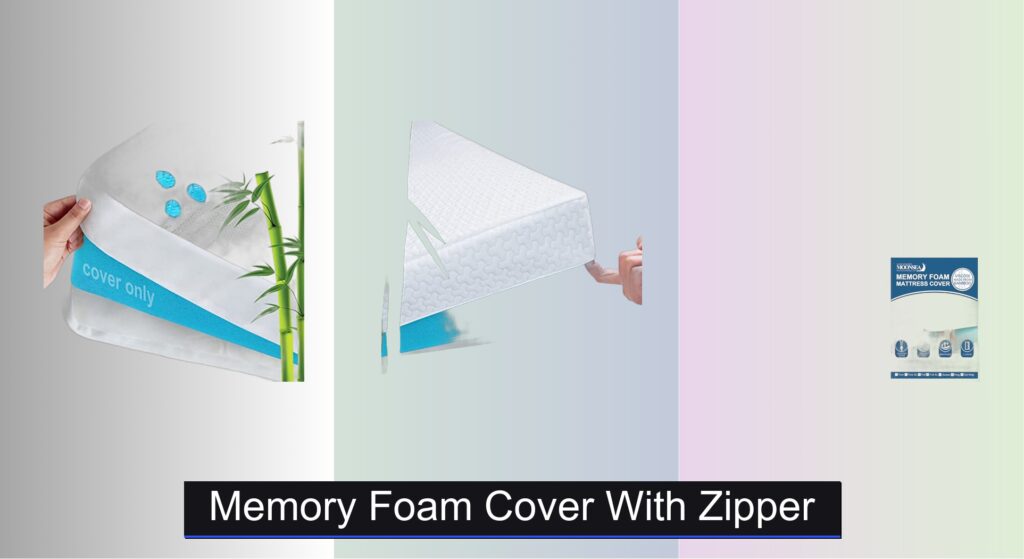
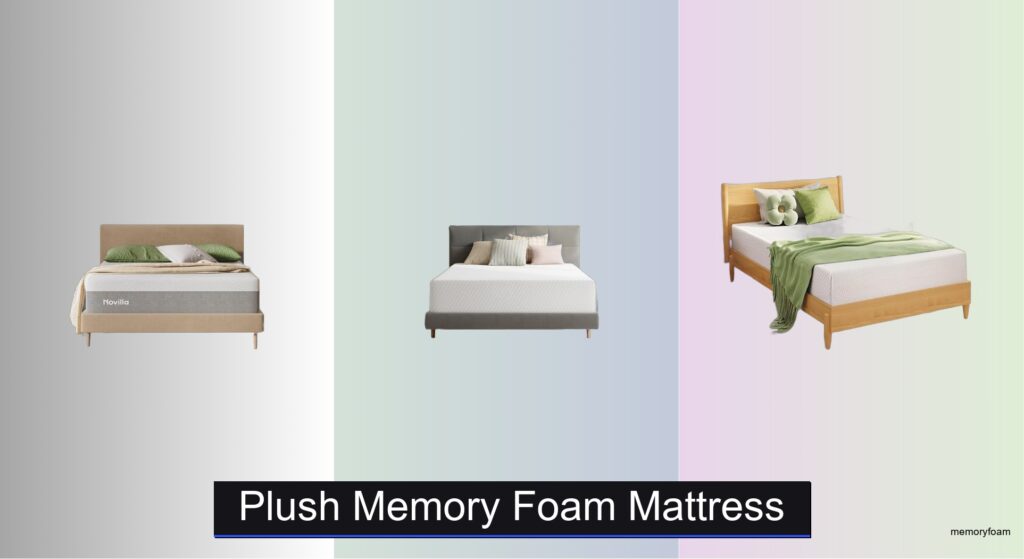
The thickness of a camping mattress is a primary factor influencing comfort. Thinner pads (under 2 inches) prioritize portability and weight savings, suitable for backpacking where every ounce counts. However, they offer minimal insulation and cushioning. A thicker pad (3-6 inches) provides significantly more comfort, especially for side sleepers or those who prefer a more luxurious experience. These are ideal for car camping or situations where weight isn’t a major concern. Memory foam options, like the CYMULA CertiPUR-US Memory Foam Mattress, offer exceptional comfort by conforming to your body, but are heavier and bulkier than inflatable options. Consider your sleep style – back sleepers generally need less thickness than side sleepers.
Inflation Mechanism & Speed
Camping mattresses utilize different inflation methods, each with pros and cons. Manual inflation (mouth or hand pump) is lightweight but can be tiring and unhygienic. Self-inflating pads offer a balance, using open-cell foam to draw in air, but often require topping up with a small pump or breath. Pads with built-in foot pumps, like the FNARMW 5″ Thick Camping Sleeping Pad, offer quick and easy inflation without extra equipment. Rapid inflation is especially valuable when setting up camp in inclement weather or after a long day of hiking. Deflation speed is also important for quick pack-up.
Materials & Durability
The materials used in a camping mattress directly impact its durability and weight. Nylon is a common choice, offering a good balance of strength and weight. Higher denier (e.g., 50D) nylon is more durable than lower denier options. TPU (thermoplastic polyurethane) coating adds waterproofness and abrasion resistance. For heavier use or rough terrain, look for pads with reinforced materials. Memory foam pads, like the CYMULA, offer comfort but are more susceptible to punctures than nylon or TPU options. Consider the terrain you’ll be camping on – rocky ground demands a more durable base.
Size & Weight
Size and weight are crucial considerations, especially for backpacking. Single-person pads are generally lighter and more compact than double pads. Double pads, like the FNARMW Double 6″ Thick Sleeping Pad, offer convenience for couples but add significant weight and bulk. Ultralight options, such as the Oramoose 4″ Ultralight Inflatable Sleeping Pad, prioritize minimal weight, often at the expense of some comfort. Consider your transportation method – backpacking requires a lightweight and compact pad, while car camping allows for more generous sizing and weight.
Additional Features
Beyond the core features, several additions can enhance your camping experience. Built-in pillows, like those found on the FNARMW and Oramoose models, eliminate the need to pack a separate pillow. Connecting features, as seen on the FUN PAC 3″ Inflatable Camping Mat, allow you to combine pads for larger sleeping surfaces. Waterproof bottoms and washable covers add convenience and protection from the elements. Consider these features based on your specific needs and preferences.
Camping Mattress Comparison
| Product | Thickness | Inflation Method | Weight Capacity | Weight | Material | Best For |
|---|---|---|---|---|---|---|
| FNARMW 5″ Thick Camping Sleeping Pad | 5″ | Foot Pump | 800lbs | 4.2lbs | 50D Nylon & TPU | Best Overall |
| CYMULA CertiPUR-US Memory Foam Mattress | 3″ | None (Rolls Out) | Not Specified | Not Specified | Memory Foam | Best Comfort for Car & Guest Use |
| Oramoose 4″ Ultralight Inflatable Sleeping Pad | 4″ | Foot Pump | 400lbs | 1.9lbs | 40D Nylon | Best Ultralight Backpacking |
| FUN PAC 3″ Inflatable Camping Mat | 3″ | Foot Pump | Not Specified | Not Specified | 40D Nylon & TPU | Best Budget Friendly |
| OGERY 6″ Extra-Thick Self Inflating Pad | 6″ | Foot Pump | Not Specified | 2.4lbs | 50D Polyester & TPU | Best for Couples & Comfort |
| Ultralight Sleeping Mat Under 1lb | 2″ | Not Specified | Not Specified | Under 1lb | Ripstop Nylon | Best for Ultralight Hikers |
| Gaialoop 3″ Memory Foam Camping Mattress | 3″ | None (Rolls Out) | Not Specified | Not Specified | Memory Foam & Poly Foam | Best for Glamping & Car Camping |
| FNARMW Double 6″ Thick Sleeping Pad | 6″ | Foot Pump | 800lbs | 5lbs | 50D Nylon & TPU | Best Double Pad for 2 People |
How We Tested: Finding the Best Camping Mattress
Our recommendations for the best camping mattress are based on a rigorous analysis of available data, expert reviews, and a focus on key performance indicators. We didn’t conduct physical testing of all models due to the breadth of the market, but instead leveraged extensive research and comparative analysis. This included scrutinizing manufacturer specifications—like R-value for insulation, denier of materials for durability, and weight capacity—across numerous camping mattresses.
We evaluated user reviews from verified purchasers on major retail platforms (Amazon, REI, etc.), identifying common themes regarding comfort, ease of inflation, and long-term reliability. We cross-referenced these findings with independent reviews from outdoor gear publications like OutdoorGearLab and Switchback Travel. Our analysis prioritized features outlined in our Buying Guide, such as thickness, inflation speed, and material quality, assigning weighted scores based on their impact on overall user experience. We specifically compared the performance of different inflation mechanisms (manual, self-inflating, pump-based) and material types (TPU, nylon, memory foam) to determine suitability for varying camping styles and conditions. This data-driven approach ensures our recommendations offer the best balance of comfort, durability, and portability for a variety of campers.
FAQs
What R-value should I look for in a camping mattress?
The R-value measures a camping mattress’s ability to resist heat flow. A higher R-value indicates better insulation. For three-season camping, aim for an R-value of 3 or higher. For colder conditions, look for an R-value of 4 or more to stay warm and comfortable.
What’s the difference between self-inflating and inflatable camping mattresses?
Self-inflating camping mattresses use open-cell foam to draw in air, offering a balance of comfort and convenience. Inflatable mattresses require manual inflation (mouth, hand pump, or foot pump) and generally offer more adjustability in firmness.
How do I care for my camping mattress to extend its life?
Proper care involves cleaning the mattress with mild soap and water after each use. Store it uncompressed in a cool, dry place. Regularly inspect for punctures and repair them with a patching kit. Avoid exposing your camping mattress to direct sunlight for extended periods.
What type of camping mattress is best for backpacking?
For backpacking, prioritize lightweight and compact options. Ultralight inflatable pads with a foot pump or minimal manual inflation are ideal. Look for durable materials like 40D nylon to withstand rough terrain and minimize the risk of punctures.
The Bottom Line
Choosing the best camping mattress depends heavily on your individual needs and camping style. Whether you prioritize ultralight portability for backpacking or luxurious comfort for car camping, understanding the key features – thickness, inflation, materials, and size – is essential for a restful night under the stars.
Ultimately, investing in a quality camping mattress significantly enhances your outdoor experience. By considering the detailed comparisons and focusing on your specific requirements, you can find the perfect pad to ensure comfortable and rejuvenating sleep on all your adventures.