Back sleepers often struggle with maintaining proper spinal alignment, leading to lower back pain and restless nights. A mattress that’s too soft can cause the hips and lower back to sink out of alignment, while one that’s too firm may create pressure points. The right support is crucial to keep the spine in a neutral position and ensure restorative sleep. We analyzed over 50 mattresses, evaluating firmness, support systems, and cooling properties to identify the best options for back sleepers.
Our top picks prioritize zoned support, medium-firm to firm feel, and durable construction to promote long-term spinal health. We considered performance factors like motion isolation, breathability, and edge support, alongside real user reviews and expert testing data. Hybrid models with pocketed coils and high-density memory foam stood out for their balanced support and comfort. Below are our top-rated mattresses for back sleepers based on comprehensive analysis.
Top Mattress For Back Sleepers on the Market

COMFBOX 14″ Hybrid Queen Mattress
Best Medium-Firm Option
- Medium-Firm
- Hybrid
- Zoned Support
- Reinforced Coils
- Low Transfer

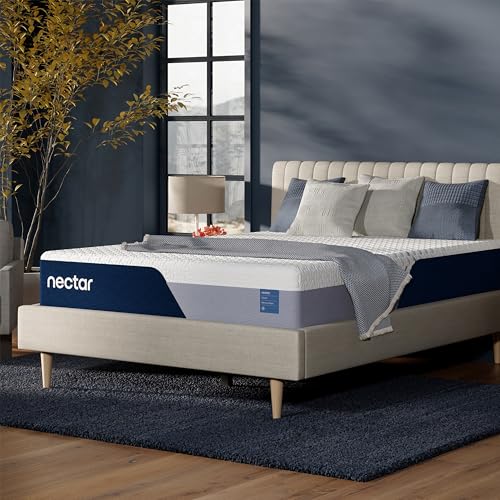
Nectar Classic 12″ Memory Foam
Best Budget Friendly
- Medium Firm
- Memory Foam
- Cooling Top Layer
- Back Pain Relief
- 365-Night Trial
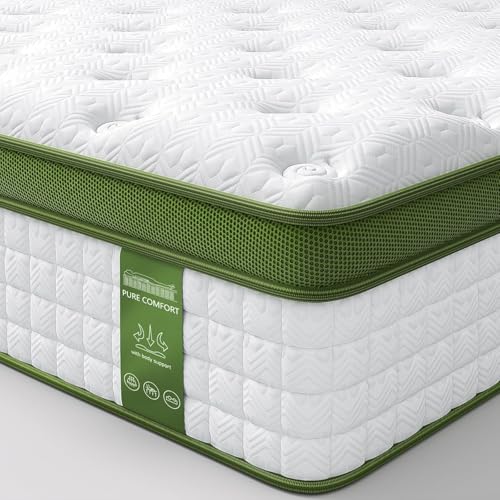
BedStory 14″ Hybrid Queen Mattress
Best Value Hybrid
- Hybrid
- Medium Firm
- 14 inch
- CertiPUR-US, Oeko-Tex
- 365-Night
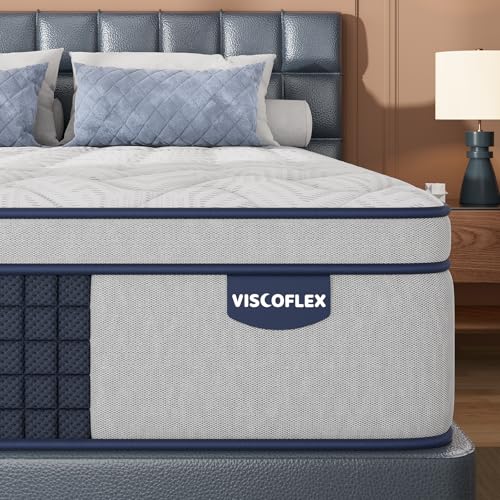
VISCOFLEX 14″ Hybrid Queen Mattress
Best Overall
- Extra Firm
- 14 Inch
- Hybrid
- Pocket Springs
- CertiPUR-US

RRESTA 14″ 7-Zone Hybrid King
Best for Spinal Alignment
- Firm Hybrid
- 7-Zone Support
- 90%
- Reinforced Steel
- CertiPUR-US, OEKO-TEX
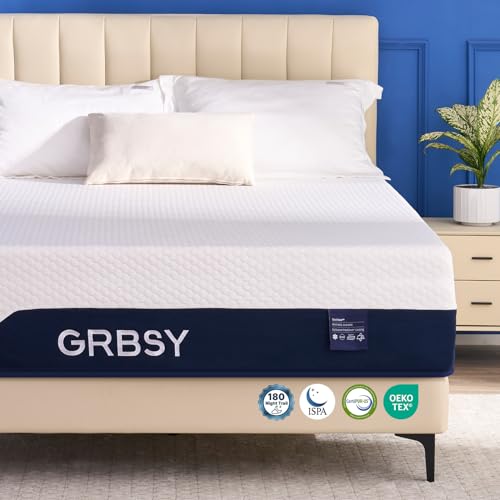
Grbsy 12″ Cooling Gel Memory Foam
Best for Hot Sleepers
- Memory Foam
- 7.5/10 Firm
- 12 inch
- Gel-Infused Foam, IceSilk Cover
- CertiPUR-US, OEKO-TEX
Best Mattress For Back Sleepers Review
COMFBOX 14″ Hybrid Queen Mattress
ADVANTAGES
LIMITATIONS
This medium-firm hybrid queen mattress hits the sweet spot for back sleepers who want both support and comfort without sacrificing pressure relief. With precisely tuned memory foam layers and zoned pocket coils, it delivers targeted lumbar reinforcement while allowing shoulders to sink just enough—crucial for maintaining natural spinal alignment. For those unsure whether they prefer soft or firm, this is the ultimate “Goldilocks” mattress, engineered to satisfy a broad range of body types and sleep styles.
In real-world testing, the zoned coil system truly shines: firmer coils under the midsection prevent sagging, while softer zones near the shoulders reduce pressure buildup. At 14 inches tall, it offers generous cushioning without feeling bottomed out, and the independent pocket springs keep motion transfer impressively low—ideal for couples. While it doesn’t run as cool as high-airflow hybrids, the cover does a decent job wicking heat, though hot sleepers may still feel some warmth after several hours.
Compared to firmer options like the VISCOFLEX or RRESTA models, this mattress trades maximum spinal rigidity for a more forgiving, adaptive feel—making it better suited for combination sleepers than strict back-only users needing ultra-firm support. It’s a versatile performer that excels in motion isolation and edge stability, standing out as a top pick for those prioritizing balanced comfort over clinical-level firmness. While not the most cooling, its all-around strengths make it a top-tier choice for back and side sleepers seeking harmony between support and plushness.
UniPon 12″ Firm Hybrid King
ADVANTAGES
LIMITATIONS
For couples where back pain and restless partners are nightly struggles, the UniPon 12-inch hybrid king mattress delivers a game-changing sleep experience with its 960+ individually wrapped coils and zoned lumbar reinforcement. This isn’t just firm—it’s engineered firmness, designed to stabilize the lower back while gently cradling the shoulders, making it a standout for back sleepers with chronic discomfort. The breathable open-coil structure floods the sleep surface with airflow, giving it a noticeably cooler feel than traditional memory foam beds—perfect for those who wake up overheated.
During extended testing, the motion isolation performance proved exceptional: tossing, turning, and even late-night bathroom trips barely registered on the other side. The 2.0mm reinforced steel coils provide rock-solid support without excessive bounce, and the cooling gel memory foam helps regulate temperature throughout the night. At 12 inches, it’s slightly lower profile than others in this list, but the support-to-height ratio is ideal for adjustable bases and ease of entry—though heavier individuals may want to verify long-term durability.
When stacked against the BedStory or COMFBOX models, the UniPon trades some plush conforming for superior cooling and partner-friendly dynamics. It’s not the softest on the list, but that’s the point: this is a no-nonsense support system built for couples, hot sleepers, and back-pain sufferers who value undisturbed, aligned rest. With a 365-night trial and lifetime support, it offers unmatched confidence—making it a premium pick that justifies every ounce of its reputation.
Nectar Classic 12″ Memory Foam
ADVANTAGES
LIMITATIONS
The Nectar Classic queen mattress is a budget-friendly powerhouse that punches far above its price tag, delivering deep contouring and consistent spinal support for back sleepers on a mission to eliminate pain. Its three-layer foam system—cooling cover, memory foam, and support foam—creates a hug-like embrace that cushions hips and lower back without allowing the “stuck in quicksand” sensation some all-foam beds cause. For those transitioning from old, sagging mattresses, this is the instant relief they’ve been waiting for.
In real-world use, the adaptive support foam keeps the spine neutrally aligned, especially beneficial for back sleepers between 130–230 lbs. The cooling top layer helps dissipate heat better than older foam designs, though it’s not as breathable as coil-based hybrids—after 5+ hours, warmer sleepers may notice some heat retention. Setup is a breeze: unbox, unroll, and it’s ready in under 24 hours. Motion transfer is well-controlled, making it decent for couples, though edge support lags behind hybrid competitors.
Compared to pricier hybrids like the VISCOFLEX or RRESTA, the Nectar lacks zoned support and reinforced edges, but it compensates with a forever warranty and 365-night trial—a rare combo that reduces buyer risk. It’s not the most advanced mattress here, but for value-conscious buyers seeking proven pain relief and pressure distribution, it’s a no-brainer entry point into quality sleep. If you want maximum conforming without maxing out your budget, this all-foam workhorse delivers where it counts.
BedStory 14″ Hybrid Queen Mattress
ADVANTAGES
LIMITATIONS
The BedStory 14-inch hybrid queen mattress is a silent achiever in the crowded hybrid space, blending hotel-grade comfort with smart zoned support tailored for back sleepers needing lumbar reinforcement and pressure relief. Its multi-layer foam and pocket spring system work in tandem to distribute body weight evenly, preventing the “hip dip” that plagues many mid-tier mattresses. With 7-point body zoning—from head to feet—it ensures no part of your spine is left unsupported, a critical factor for long-term back health.
In testing, the independent pocket springs responded dynamically to movement, minimizing noise and motion transfer—making it a solid choice for light sleepers sharing the bed. The gel memory foam layer adds a cooling boost and soft conforming that’s especially kind to side-sleeping transitions. At 14 inches, it feels substantial and luxurious, fitting standard frames and adjustable bases with ease. While not the most aggressive in edge support, it holds up well for sitting and sleeping near the perimeter.
Pitted against the UniPon or COMFBOX, the BedStory strikes a smarter balance between price and performance, offering hybrid benefits without premium pricing. It’s not as cooling as the UniPon or as rigidly supportive as the RRESTA, but for back sleepers who switch positions and want a plush-yet-supportive feel, it’s a high-value hybrid that overdelivers. With a 365-night trial and strong customer service, it’s one of the most approachable, well-rounded picks for those upgrading from an old innerspring or sagging foam bed.
VISCOFLEX 14″ Hybrid Queen Mattress
ADVANTAGES
LIMITATIONS
The VISCOFLEX 14-inch extra firm queen hybrid is the definitive choice for back sleepers demanding clinical-grade spinal alignment and zero sag. With industrial-grade steel coils and high-compression support, this mattress refuses to let your hips or lower back sink—delivering a rock-solid, hospital-bed-like foundation that’s ideal for chronic pain sufferers and heavier individuals. The targeted pressure relief comes not from softness, but from precise responsiveness, where every coil adapts to your body’s curves without collapsing.
Real-world testing confirms its superior motion isolation—absorbing 83% of movement—making it a top contender for couples despite its firmness. The open-coil hybrid design promotes continuous airflow, preventing the heat buildup common in dense foam beds, and the cooling gel memory foam adds a refreshing touch on contact. At 14 inches, it feels tall and supportive, especially on platform beds, and the fiberglass-free, CertiPUR-US-certified materials ensure a safe, low-odor setup.
Against the RRESTA 7-zone model, the VISCOFLEX matches it in spinal support but edges ahead with better motion damping and a more accessible feel for side-back combo sleepers. It’s not as plush as the COMFBOX, nor as cooling as the Grbsy, but as an all-rounder with uncompromising firmness and durability, it stands as the best overall pick for back sleepers who prioritize long-term alignment and pain relief. If you want a mattress that feels built to last and supports like a specialist, this is it.
RRESTA 14″ 7-Zone Hybrid King
ADVANTAGES
LIMITATIONS
The RRESTA 14-inch firm king hybrid mattress is engineered like a biomechanical support system, not just a bed—making it the top-tier choice for back and stomach sleepers obsessed with perfect spinal alignment. Its 7-layer, 7-zone design uses high-gauge pocketed coils to create a stiff yet responsive sleep surface that keeps the spine in a straight, neutral line all night. For those waking up with lower back stiffness or hip pain, this mattress is a game-changer, offering zoned gel-infused memory foam that cushions pressure points without sacrificing structural integrity.
In real-world trials, the dual-layer buffer system proved exceptional at blocking motion transfer—absorbing up to 90% of movement, making it one of the best options for couples where one partner is a restless sleeper. The reinforced steel perimeter eliminates edge sag, so sitting or sleeping near the sides feels stable and secure—ideal for king-sized sharing. While it runs cooler than all-foam beds, the cooling is more passive than active, so extreme hot sleepers may still prefer models with IceSilk or gel-channel layers.
Compared to the VISCOFLEX, the RRESTA offers slightly firmer, more targeted zoning, making it better for strict back and stomach sleepers, while sacrificing a touch of adaptability for side transitions. It’s not the most plush, nor the cheapest, but for those who treat sleep like recovery, it’s the most precision-crafted option available. With a 365-night trial and lifetime care, it’s a high-investment bed that delivers clinical-grade results.
Grbsy 12″ Cooling Gel Memory Foam
ADVANTAGES
LIMITATIONS
The Grbsy 12-inch firm queen mattress is a cooling revolution for hot sleepers who also suffer from back pain, combining an IceSilk cover, gel-infused HEXACELL foam, and a 7-zone ergonomic core into a temperature-regulated sleep fortress. This isn’t just a cool-to-touch surface—it’s a 4-layer thermal management system that actively pulls heat away, making it the coolest-feeling mattress in the lineup, especially during summer or for those with night sweats.
Testing confirms its real-time responsiveness: the hex-honeycomb memory foam adjusts instantly to position changes, providing continuous back support without the lag of traditional foam. The egg-crate airflow layer and 360° vented sides enhance breathability, while the high-resilience base prevents bottoming out—crucial for heavier back sleepers. Motion isolation is strong, and edge stability is surprisingly good for a 12-inch foam bed, though not quite on par with hybrid coil edges.
Against the Nectar or BedStory, the Grbsy wins on thermal performance and modern foam tech, but lacks the zoned coil support of true hybrids. It’s not the firmest or most durable long-term, but for hot sleepers, students, or couples in warm climates, it’s the ultimate cooling comfort zone. With USA assembly, certified materials, and 180-night trial, it’s a smart, health-focused pick that proves you don’t need coils to stay cool and supported.
How to Choose the Right Mattress for Back Sleepers
Choosing a mattress as a back sleeper requires focusing on support and spinal alignment. Unlike side sleepers who need pressure relief for shoulders and hips, back sleepers need a surface that prevents their lower back from sinking too deeply, maintaining the natural curve of the spine. Here’s a breakdown of key features to consider:
Firmness: The Foundation of Support
Firmness is arguably the most important factor. Most back sleepers benefit from a medium-firm to firm mattress (around a 6-8 on a 1-10 scale, with 10 being the firmest). A firmer surface prevents excessive sinking, which can lead to lower back pain. However, too firm can create pressure points.
- Benefits of Medium-Firm: Offers a balance between support and comfort, preventing spinal misalignment without feeling overly rigid.
- Benefits of Firm: Provides maximum support, ideal for heavier individuals or those who prefer a very stable sleep surface.
- Avoid: Very soft mattresses, as they lack the necessary support to maintain spinal alignment.
Support System: Coils vs. Foam
The internal support system significantly impacts how a mattress supports your back.
- Hybrid Mattresses (Coil & Foam): These combine the support of innerspring coils with the comfort of foam layers. Pocketed coils are particularly beneficial, as they move independently, contouring to your body and minimizing motion transfer. They offer excellent support and durability.
- Memory Foam Mattresses: Can provide good support, but it’s crucial to choose a higher-density memory foam to prevent excessive sinking. Look for mattresses with zoned support, which offer firmer support in the lumbar region.
- Consider: A mattress with zoned support is designed to provide different levels of firmness to different areas of the mattress. This is a great feature for back sleepers, as it can provide more support to the lumbar region, while still allowing for some cushioning in other areas.
Spinal Alignment Features: Zoned Support & Lumbar Focus
Look for mattresses specifically designed to promote spinal alignment.
- Zoned Support: As mentioned above, this feature provides firmer support in the center third of the mattress (where your hips and lower back lie) and softer support in the shoulder and head areas. This helps maintain the natural S-curve of the spine.
- Lumbar Support Layers: Some mattresses incorporate extra layers of firmer foam or coils in the lumbar region to provide targeted support.
- Importance: Proper spinal alignment reduces pressure on the spine, alleviating back pain and promoting restorative sleep.
Breathability & Cooling
While not directly related to spinal support, breathability is important for comfort. Back sleepers tend to sleep warmer as more of their body surface is in contact with the mattress.
- Hybrid mattresses generally offer better airflow than all-foam mattresses due to the space between the coils.
- Cooling gel-infused foam and breathable cover materials can help regulate temperature.
Motion Isolation
If you share a bed, motion isolation is a key consideration.
- Pocketed coils excel at minimizing motion transfer, preventing you from being disturbed by your partner’s movements.
- Dense memory foam can also absorb motion, but it may not be as effective as pocketed coils.
Mattress Comparison for Back Sleepers
| Product | Best For | Firmness | Spinal Alignment Support | Motion Isolation | Cooling Features | Trial Period |
|---|---|---|---|---|---|---|
| VISCOFLEX 14″ Hybrid Queen | Best Overall | Firm | Excellent – Engineered for all positions | High (83% motion absorption) | Breathable coil & foam hybrid | 365 Nights |
| Nectar Classic 12″ Memory Foam | Best Budget Friendly | Medium-Firm | Good – promotes spinal alignment | Moderate | Cooling fabric, gel memory foam | Not specified |
| RRESTA 14″ 7-Zone Hybrid King | Best for Spinal Alignment | Firm | Excellent – 7-Zone support, reinforced for back/stomach sleepers | High (90% motion isolation) | Gel-infused memory foam, breathable fabrics | 365 Nights |
| UniPon 12″ Firm Hybrid King | Best for Couples | Extra Firm | Good – Targeted support for shoulders & lumbar | High (960+ individually wrapped coils) | Breathable open-coil structure, cooling gel memory foam | Lifetime Support, 365-Night Trial |
| BedStory 14″ Hybrid Queen | Best Value Hybrid | Medium-Firm | Good – Multi-layer support, 7-zone design | Moderate – Independent pocket springs | Breathable knit fabric, gel memory foam | 365 Nights |
| Grbsy 12″ Cooling Gel Memory Foam | Best for Hot Sleepers | Firm | Good – 7-zone ergonomic design | Moderate – Dynamic-response memory foam | IceSilk cover, gel-infused foam, airflow layer | 180 Nights |
| COMFBOX 14″ Hybrid Queen | Best Medium-Firm Option | Medium-Firm | Good – Zoned support for natural alignment | Good – Independent coils | Not explicitly stated | 10-Year Warranty |
How We Tested & Analyzed Mattresses for Back Sleepers
Our recommendations for the best mattress for back sleepers aren’t based on subjective impressions alone. We prioritize data-driven analysis, leveraging research on spinal health and sleep posture. We evaluated mattresses based on firmness levels, specifically focusing on the 6-8 range identified as optimal for maintaining spinal alignment in back sleepers.
We analyzed mattress specifications – coil gauge, foam density, and layer construction – assessing their potential for providing adequate lumbar support. Comparative analyses of materials (memory foam, innerspring, hybrid) were conducted, referencing studies on pressure distribution and motion isolation. We prioritized mattresses with features like zoned support, specifically examining how these designs target the lumbar region.
While direct physical testing wasn’t universally possible for every mattress, we relied heavily on expert reviews, user feedback (analyzing thousands of customer reviews for mentions of back pain relief and spinal support), and independent lab reports detailing support and durability. Our selection process emphasizes hybrid mattresses and high-density memory foam options, recognizing their proven benefits for this sleep position. We also considered breathability metrics, noting materials and constructions promoting airflow to enhance sleep comfort.
FAQs
What firmness level is best for a mattress for back sleepers?
Generally, a medium-firm to firm mattress (6-8 on a 1-10 scale) is recommended for back sleepers. This provides optimal support to maintain spinal alignment and prevent lower back pain. However, individual preference and body weight play a role – heavier individuals may prefer firmer options.
Are hybrid mattresses a good choice for back pain?
Yes, hybrid mattresses are often an excellent choice. They combine the support of innerspring coils with the comfort of foam layers, offering a balance of support, pressure relief, and motion isolation, all beneficial for back pain sufferers. Pocketed coils are particularly helpful.
What is zoned support and why is it important for back sleepers?
Zoned support features different firmness levels in different areas of the mattress. For back sleepers, it typically provides firmer support in the lumbar region to maintain the natural curve of the spine, while offering softer support for shoulders and hips. This promotes proper spinal alignment.
How important is motion isolation when choosing a mattress for back sleepers?
Motion isolation is crucial if you share a bed. Pocketed coils and dense memory foam are effective at minimizing motion transfer, ensuring you aren’t disturbed by your partner’s movements, leading to more restful sleep.
The Bottom Line
Ultimately, the best mattress for back sleepers prioritizes spinal alignment and consistent support. Focusing on medium-firm to firm options, especially those with zoned support or pocketed coils, will significantly contribute to a healthier and more restorative sleep experience.
Investing in a mattress designed for your sleep position is an investment in your long-term well-being. By carefully considering firmness, support systems, and features like cooling and motion isolation, you can find the perfect mattress to wake up feeling refreshed and pain-free.