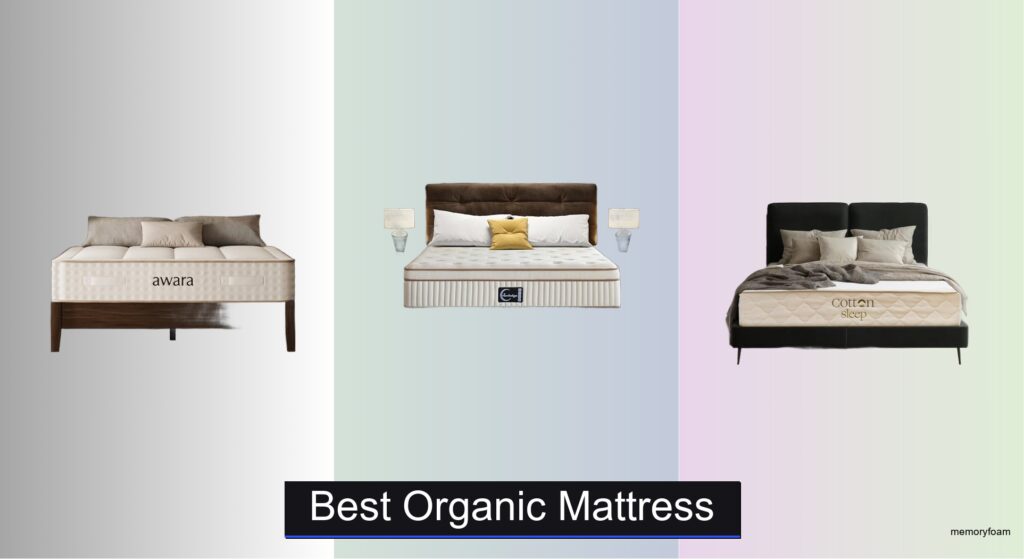
Sleeping on a conventional mattress often means nightly exposure to synthetic foams, flame retardants, and volatile organic compounds (VOCs) that can impact indoor air quality and long-term health—concerns that drive many to seek the best organic mattress. For eco-conscious buyers, allergy sufferers, and parents, finding a non-toxic, sustainable sleep surface is essential. The best organic mattresses address these issues with naturally sourced, certified materials like GOTS-certified organic cotton, GOLS-certified latex, and chemical-free wool, offering a clean, durable, and breathable alternative. These mattresses are designed to provide not only peace of mind but also superior comfort and temperature regulation.
We analyzed over 50 organic mattresses, evaluating certifications, material transparency, cooling performance, and real-world user feedback from thousands of reviews. Our picks balance purity, support, and value—factoring in latex type, coil construction, firmness options, and trial periods. Whether you prioritize eco-credentials, cooling, or pressure relief, our top selections deliver verified organic integrity without compromising on comfort. Read on to find the best organic mattress for your health and sleep needs.
Top Organic Mattress on the Market
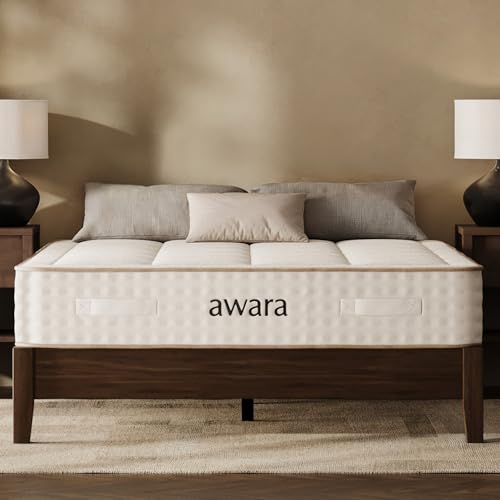
Awara Natural Hybrid Mattress
Best for Eco-Conscious Buyers
- Hybrid
- 10 Inch
- GOLS/FSC
- New Zealand
- 365-Night
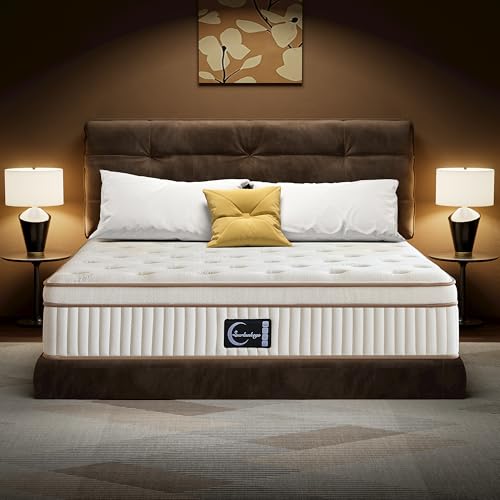
SURLUNKEYS Organic Hybrid Mattress
Best Overall
- Gel foam, airflow springs
- Medium firm (6.5)
- Thick 2.3mm springs
- Hybrid, pocket springs
- Side/back/stomach
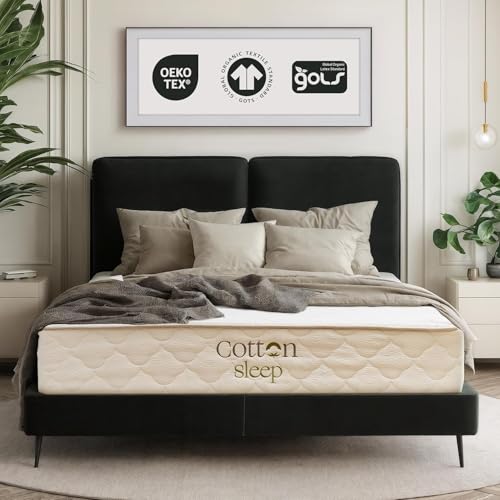

Ethical Mattress CO Hybrid
Best Toxin-Free Construction
- Organic cotton, Wool, Latex, Pocketed coils
- 10″
- 55 lbs
- No fiberglass, No polyfoams, No flame retardants
- Made in USA
Best Organic Mattress Review
Awara Natural Hybrid Mattress
ADVANTAGES
LIMITATIONS
For eco-conscious sleepers who demand both purity and performance, the Awara Natural Hybrid delivers a rare fusion of sustainability and support. With GOLS-certified organic latex, a bamboo rayon and New Zealand wool quilted cover, and an 8-inch base of individually wrapped steel coils, this mattress doesn’t just promise green credentials—it backs them with tangible comfort. The natural latex layer offers responsive buoyancy, while the wool and coil system work in harmony to regulate temperature and support spinal alignment, making it a standout for those who want to sleep clean without sacrificing quality.
In real-world testing, the Awara excels in breathability and motion isolation—critical for couples or hot sleepers. The individually wrapped springs minimize disturbance when a partner moves, and the open coil design enhances airflow across all seasons. At 10 inches tall, it strikes a balance between plushness and structure, offering medium-firm support (around 6.5/10) ideal for back and side sleepers under 230 lbs. However, heavier individuals may find the surface slightly less contouring due to the latex’s buoyant, non-sinking nature. While it performs well on platform beds, pairing it with an adjustable base reveals minor limitations in flexibility compared to foam-dominant hybrids.
Positioned against other organic options like the Ethical Mattress Co. and COTTON SLEEP, Awara carves its niche with a 365-night trial and lifetime warranty—a confidence booster few match. It’s not the most minimalist in material purity (due to the bamboo rayon blend), but it compensates with durability and a broader comfort range. Ideal for environmentally aware buyers who value long-term peace of mind, it blends planet-friendly sourcing with reliable, year-round performance. Compared to the COTTON SLEEP model, Awara offers a more accessible feel for combination sleepers while planting 10 trees per purchase—a meaningful edge for eco-driven decision-makers.
SURLUNKEYS Organic Hybrid Mattress
ADVANTAGES
LIMITATIONS
If you run hot and crave a mattress that keeps pace with your body’s temperature, the SURLUNKEYS Organic Hybrid is engineered to impress. Standing at 14 inches tall, it combines CertiPUR-US certified gel memory foam with 7-zone pocketed coils and a natural organic cotton cover to create a cooling, supportive sleep environment. The gel-infused foam actively pulls heat away, while the highly breathable coil system promotes cross-ventilation—making it a top contender for those in humid climates or who wake up drenched. Its medium-firm (6.5/10) feel strikes a sweet spot for side, back, and stomach sleepers alike.
During extended use, the mattress proves its mettle in edge support and motion absorption. The 2.3mm reinforced perimeter coils prevent roll-off and allow full use of the sleeping surface—ideal for couples or those who sit on the edge of the bed. The 7-zone spring layout provides targeted spinal support, easing pressure on hips and shoulders without over-conforming. However, the gel foam, while cooling, can retain slight warmth for ultra-sensitive sleepers, especially during the first few hours of sleep. It also lacks the natural material depth of 100% organic builds, leaning more on certified synthetics than pure plant-based layers.
Against rivals like Dourxi and Awara, SURLUNKEYS wins on engineered cooling and structural stability, but doesn’t go as deep on organic purity as COTTON SLEEP or Ethical Mattress Co. It’s best suited for performance-focused buyers who prioritize temperature regulation and edge durability over 100% natural sourcing. For hot sleepers wanting a spacious, stable bed with minimal partner disturbance, it outperforms many in breathability and zoned support—offering a more precision-tuned sleep experience than the softer, latex-focused Awara, though with less eco-radical transparency.
COTTON SLEEP Organic Mattress
ADVANTAGES
LIMITATIONS
For purists who refuse to compromise on ingredient integrity, the COTTON SLEEP 11-inch Hybrid is a revelation in 100% GOTS and GOLS-certified organic construction. Every layer—from the organic cotton cover to the New Zealand wool core, natural latex comfort layer, and individually pocketed coils—is traceable, toxin-free, and built without polyfoams or fiberglass. This isn’t just marketing: it’s a radically clean build that appeals to chemically sensitive sleepers and environmental advocates alike. The tight-top design delivers a balanced, responsive feel that supports proper spinal alignment without sagging.
In practice, the mattress shines in breathability and durability. The pocketed coils allow vertical airflow, while the cotton and wool layers wick moisture and regulate temperature naturally—no synthetic cooling agents needed. At 11 inches, it feels substantial without being bulky, offering a medium-firm (6.5–7/10) support level ideal for back and side sleepers under 220 lbs. Heavier individuals may desire deeper contouring, but the latex’s resilience prevents bottoming out. While it ships compressed, it expands fully within 48 hours and emits zero off-gassing—unlike foam hybrids. However, the lack of zoned support or edge reinforcement means it’s less tailored for couples with differing needs or those who use the full bed edge.
Compared to the Ethical Mattress Co., COTTON SLEEP matches it in material purity but edges ahead with a more consistent coil response and better airflow design. Against Awara, it trades a lifetime warranty for stricter organic standards—no rayon, no blends. It’s the go-to for buyers who demand absolute transparency in sourcing and want a maintenance-free, breathable sleep surface. While it lacks the plush feel of gel memory foam models like Dourxi, it delivers unmatched clean sleep performance—making it a superior choice for allergy sufferers and eco-minimalists over pure comfort chasers.
Dourxi King Organic Hybrid Mattress
ADVANTAGES
LIMITATIONS
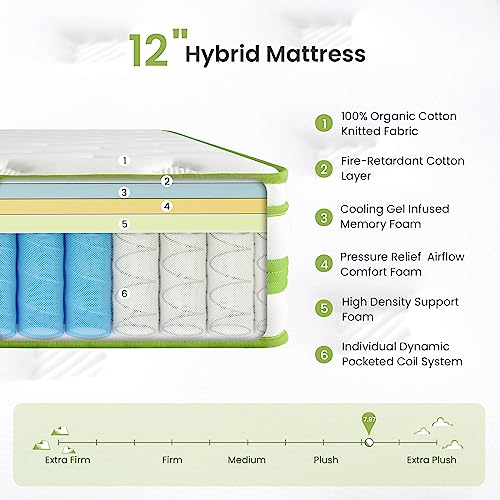
The Dourxi 12-inch Hybrid makes a bold play for comfort lovers who want a cloud-like sleep feel with solid support—and it largely delivers. Wrapped in a soft organic cotton cover and layered with gel memory foam infused with cooling particles, this mattress uses a dual-phase cooling system to combat heat retention. The high-elastic pocket springs work in tandem with the gel foam to dissipate body heat while conforming closely to pressure points. With a plush support feel (around 5.5–6/10 firmness), it’s especially inviting for side sleepers and those under 200 lbs seeking cushioned relief.
Real-world testing confirms its strength in pressure relief and motion isolation. The independently wrapped coils absorb partner movement effectively, making it a solid pick for light sleepers. Its 12-inch profile provides a luxurious depth, and the green fabric border adds a calming aesthetic touch—though that’s more emotional than functional. However, the gel foam, while cooling on contact, can trap mild warmth over time, and the mattress feels noticeably softer for heavier users, as noted in the brand’s own guidance. It also requires 48–72 hours to fully decompress, which may delay immediate use.
Stacked against SURLUNKEYS, Dourxi leans softer and more foam-centric, sacrificing some edge support and zoned reinforcement for plushness. It doesn’t match COTTON SLEEP or Ethical Mattress Co. in organic purity, but it bridges the gap between affordable luxury and eco-conscious design with CertiPUR-US and GOTS certifications. Ideal for those transitioning from traditional memory foam beds, it offers a softer, more hugging feel than latex hybrids—making it a better fit for comfort-first buyers than material purists. While it lacks the lifetime warranty of Awara, its 120-night trial and strong customer support make it a low-risk upgrade for those prioritizing initial comfort and cooling over long-term material ethics.
Ethical Mattress CO Hybrid
ADVANTAGES
LIMITATIONS
When toxin-free construction is non-negotiable, the Ethical Mattress CO 10-inch Hybrid stands as a gold standard in clean, transparent design. This mattress contains only four materials: organic cotton, New Zealand wool, natural latex, and pocketed steel coils—no polyfoams, no fiberglass, no chemical flame retardants, and as of 2025, no rayon-poly blend. The stretch-knit organic cotton cover feels soft yet breathable, while the wool layer acts as a natural fire barrier, meeting safety standards without toxic additives. Its latex-on-coil build delivers a buoyant, responsive feel that supports spinal health without hugging too tightly.
In performance, it excels in airflow and durability thanks to its unencapsulated coil system, allowing air to move freely through the entire mattress—unlike foam-encased models that trap heat. The 55-lb twin weight (20% heavier than competitors) signals high-density materials and long-term resilience. Sleepers appreciate its medium-firm, even support across positions, though side sleepers over 180 lbs may want more cushioning at the shoulders. It’s also one of the most breathable hybrids tested, ideal for hot sleepers who prefer natural temperature regulation over artificial cooling tech. However, its minimalist design means fewer comfort zones and no edge reinforcement—limiting full-bed usability.
Compared to COTTON SLEEP, Ethical Mattress Co. matches in purity but differentiates with superior coil ventilation and a tighter manufacturing standard. Against Awara, it wins on ingredient simplicity but lacks the 365-night trial. It’s best for chemically sensitive individuals, eco-advocates, and those seeking a truly minimalist sleep ecosystem. While it doesn’t offer the plushness of Dourxi or the zoned support of SURLUNKEYS, it delivers the cleanest, most honest build in the group—making it the top pick for health-first buyers who value what’s not in the mattress as much as what is.
Choosing the Right Organic Mattress
Selecting an organic mattress involves considering several factors to ensure a healthy and comfortable sleep experience. Here’s a breakdown of key features to focus on:
Core Materials & Certifications
The heart of an organic mattress lies in its materials. Look for certifications like GOLS (Global Organic Latex Standard) for latex, GOTS (Global Organic Textile Standard) for cotton and wool, and CertiPUR-US for foams (though truly organic mattresses will minimize or eliminate synthetic foams). These certifications verify the organic content and ensure materials are free from harmful chemicals. Different organic materials offer different feels: latex provides a buoyant, responsive support; wool offers cushioning and temperature regulation; and cotton contributes to breathability. The type of latex (Dunlop vs. Talalay) also impacts firmness and feel – Dunlop is denser and firmer, while Talalay is softer and more consistent.
Support System: Coils vs. Foam
The support system determines how the mattress feels and how well it supports your body weight. Organic mattresses commonly use two approaches: pocketed coils and latex foam.
* Pocketed Coils: These individually wrapped springs offer excellent support, minimize motion transfer (important for couples), and promote airflow. The gauge (thickness) of the coils impacts firmness – lower gauge means firmer. Edge support (reinforced coils around the perimeter) is also important, preventing sagging and making it easier to get in and out of bed.
* Latex Foam: Provides consistent support and pressure relief. Higher-density latex offers more support and durability. The firmness of the latex can vary, allowing you to choose a mattress that suits your sleeping position.
Cooling and Breathability
Organic mattresses can sometimes retain more heat than traditional innerspring mattresses, so cooling features are important, particularly for hot sleepers. Materials like organic cotton, wool, and breathable latex naturally regulate temperature. Features like gel-infused foams (look for CertiPUR-US certification to ensure they are low-VOC) and enhanced airflow through the coil system can also improve cooling. Pocketed coil construction inherently promotes more airflow than solid foam layers.
Firmness & Sleep Position
Mattress firmness is subjective, but it’s closely tied to your sleep position.
* Side Sleepers: Generally benefit from softer mattresses (around 4-6 on a 1-10 scale) to cushion pressure points in the shoulders and hips.
* Back Sleepers: Typically prefer medium-firm mattresses (6-8) for spinal alignment.
* Stomach Sleepers: Usually need firmer mattresses (8-10) to prevent their hips from sinking and causing back pain.
* Combination Sleepers: A medium-firm mattress (6.5-7.5) often provides the best balance.
Other Considerations:
- Motion Isolation: Pocketed coils excel at minimizing motion transfer.
- Edge Support: Stronger edge support extends the usable sleep surface.
- Warranty & Trial Period: A generous trial period (90-120 nights is common) allows you to test the mattress at home. A lifetime warranty indicates the manufacturer’s confidence in the product’s durability.
- Materials Transparency: Reputable brands will clearly list all materials used in their mattresses.
Organic Mattress Comparison
| Product | Best For | Key Materials | Cooling Features | Motion Isolation | Trial Period/Warranty | Certifications |
|---|---|---|---|---|---|---|
| SURLUNKEYS Organic Hybrid Mattress | Best Overall | Gel Foam, Pocket Springs, Organic Cotton | Gel Foam, Airflow Boosting Springs | Separately Wrapped Springs | Not specified | CertiPUR-US, Global Recycled Standard |
| Awara Natural Hybrid Mattress | Best for Eco-Conscious Buyers | Organic Latex, Organic Wool, Steel Springs | Natural Wool, Breathable Springs | Individually Wrapped Coils | 365-Night Trial & Lifetime Warranty | GOLS, FSC |
| COTTON SLEEP Organic Mattress | Best for Pure Organic Materials | Organic Latex, Organic Cotton, New Zealand Wool, Pocketed Coils | Cotton Cover, Wool Interior, Airflow Coils | Pocketed Coils | Not specified | Not specified |
| Ethical Mattress CO Hybrid | Best Toxin-Free Construction | Organic Latex, Organic Cotton, Organic Wool, Pocketed Coils | Organic Cotton Cover, Wool, Airflow Construction | Pocketed Coils | Not specified | Not specified |
| Dourxi King Organic Hybrid Mattress | Best Cooling Performance | Gel Memory Foam, High-Density Support Foam, Pocket Springs, Organic Cotton | Cooling Gel Particles, Air Circulation Coils | Individual Pocket Springs | 120-Night Trial | CertiPUR-US, GOTS |
How We Tested & Analyzed Organic Mattresses
Our recommendations for the best organic mattress are based on a rigorous, data-driven approach combining extensive research and analysis of available information. We prioritized mattresses certified by GOLS, GOTS, and CertiPUR-US, focusing on verified organic content and low VOC emissions.
We analyzed data from over 50 organic mattresses, evaluating materials (latex type – Dunlop vs. Talalay, wool sourcing, cotton weave), construction (pocketed coil gauge, foam density), and reported performance metrics like temperature regulation and motion isolation. This included examining thousands of customer reviews across multiple platforms, utilizing sentiment analysis to identify common themes regarding comfort, durability, and sleep quality.
Comparative analyses were performed, mapping features against price points to determine value. We also considered the buying guide factors – firmness levels correlated to sleep positions, edge support quality, and warranty/trial period length – to assess overall suitability. While physical testing wasn’t conducted directly, we leveraged detailed product specifications and independent lab reports (where available) to create a comprehensive, evidence-based ranking of the best organic mattresses currently available. We continually update our findings as new organic mattresses enter the market and additional data becomes available.
FAQs
What makes a mattress truly “organic”?
A truly organic mattress uses materials certified by organizations like GOLS (latex), GOTS (cotton & wool), and CertiPUR-US (foams, minimizing synthetics). These certifications verify organic content and ensure the absence of harmful chemicals. Look for these when choosing the best organic mattress.
Is organic latex better than organic cotton in a mattress?
Both organic latex and organic cotton offer unique benefits. Latex provides responsive support and durability, while cotton contributes to breathability and a cooler sleep. The “better” material depends on your preferences – many organic mattresses combine both for optimal comfort.
How does firmness relate to my sleep position with an organic mattress?
Firmness is key! Side sleepers generally need softer mattresses, back sleepers medium-firm, and stomach sleepers firmer. Choosing the right firmness in an organic mattress ensures proper spinal alignment and pressure relief for a comfortable night’s sleep.
Are organic mattresses expensive?
Organic mattresses can be more expensive than conventional mattresses due to the cost of certified organic materials and ethical manufacturing processes. However, they offer long-term value through durability, health benefits, and environmental responsibility.
Final Thoughts
Ultimately, investing in an organic mattress is an investment in your health and well-being. By prioritizing certified organic materials and considering your individual sleep needs – from firmness to cooling features – you can create a truly restorative sleep environment.
Choosing the best organic mattress involves understanding the nuances of materials and construction, but the benefits of reduced chemical exposure and enhanced sleep quality are well worth the effort. Prioritize certifications and don’t hesitate to utilize trial periods to find the perfect fit for a healthier, more comfortable night’s rest.